
There’s something deeply personal about your menstrual cycle. It arrives quietly, sometimes predictably, sometimes not. For many women, periods become background noise, something to manage, tolerate, and move on from. But your cycle is more than a monthly event. It’s one of the clearest indicators of your internal health.
When your period changes, your body is trying to tell you something.
At Womanhood, menstrual health isn’t approached as a routine complaint. It’s treated as an important conversation, one that deserves time, attention, and clarity. If you’ve ever wondered whether what you’re experiencing is “normal,” you’re not alone. Let’s talk about it openly.
Understanding Menstrual Health: Common Symptoms and Concerns
No two cycles are exactly alike. Some women have clockwork-regular periods. Others notice slight shifts month to month. Both can be normal, until they’re not.
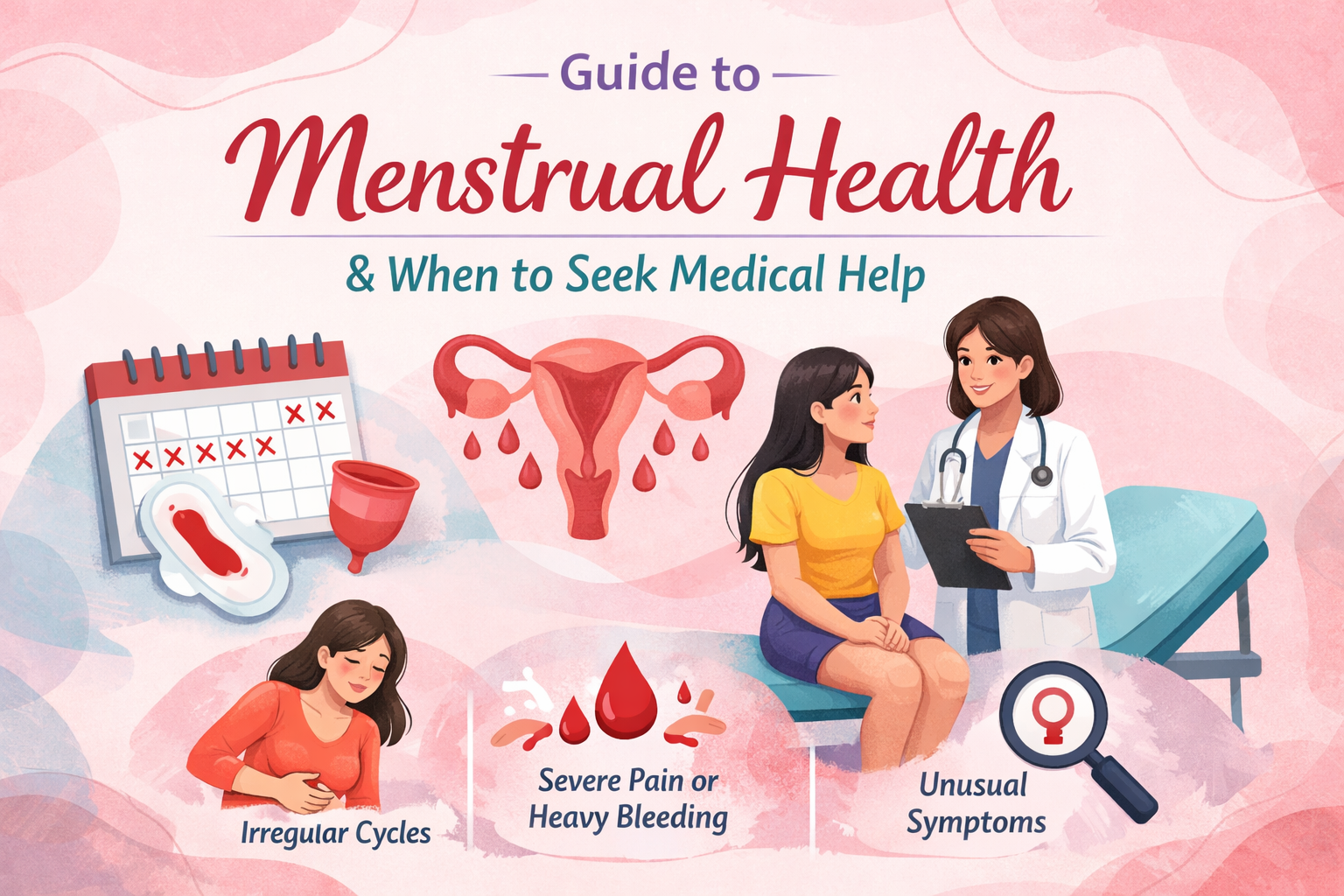
A typical cycle falls somewhere between 21 and 35 days. Bleeding usually lasts under 3-7 days. Mild cramps, a bit of bloating, mood changes, or feeling more tired than usual can all happen. These are common experiences.
But here’s what shouldn’t be brushed aside:
– If your cramps leave you curled up in bed every month.
– If you’re changing pads every hour because the flow feels uncontrollable.
– If your cycle disappears for months.
– If spotting shows up unexpectedly.
– If PMS feels emotionally overwhelming.
These aren’t things you simply have to live with.
Many women start by searching phrases like “Menstrual health care” or “women clinics near me” when they feel something is off with their cycle, unsure whether their symptoms are serious enough. The truth is, if something feels off consistently, it deserves attention.
At Womanhood, menstrual health advice goes beyond reassurance. The focus is on identifying the root cause, whether it’s a hormonal imbalance, thyroid issue, fibroids, endometriosis, or something else entirely.
Your period should not disrupt your life.
PCOS vs. PCOD: Key Differences and What You Should Know
Few topics create as much confusion as PCOS and PCOD. The names sound similar. The symptoms overlap. But understanding the difference matters.
– PCOD (Polycystic Ovarian Disease) often involves enlarged ovaries that release immature eggs, which can form small cysts. It’s commonly influenced by lifestyle factors and may improve significantly with structured dietary changes, weight management, and exercise.
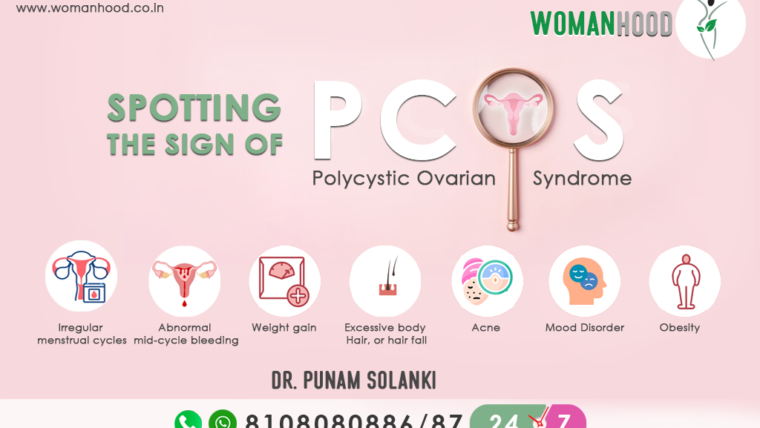
– PCOS (Polycystic Ovary Syndrome), however, is a more complex hormonal disorder. It affects how the ovaries function and can influence the entire endocrine system. Women with PCOS may notice irregular or missed periods, persistent acne, weight fluctuations, excessive facial hair growth, or difficulty conceiving.
PCOS isn’t just about cysts, it’s about hormone imbalance.
If left unaddressed, it may raise the risk of insulin resistance and other long-term metabolic complications. That’s why choosing the right PCOS treatment under the guidance of a qualified specialist is far more effective than depending only on online information or self-management.
If you’ve been searching for a “gynac in Mumbai” or specifically a “gynecologist in Andheri West,” it’s important to choose someone who looks at the full hormonal picture, not just the ultrasound report.
At Womanhood, Dr. Punam Solanki believes that care should never be one-size-fits-all. Every treatment plan is thoughtfully tailored, because each woman’s body, and her hormonal balance, is uniquely her own.
When to See a Gynecologist: Signs You Need Expert Menstrual Health Care
There’s a tendency to wait, to see if next month will be better, to assume stress caused it, to convince yourself it’s only temporary.
But it’s important to remember that regular visits to a gynecologist are essential for a woman’s health.
Sometimes it is. But sometimes it isn’t.
You should consider consulting a specialist if:
- Your period stops unexpectedly (and pregnancy isn’t the reason)
- Bleeding becomes unusually heavy or prolonged
- Pelvic pain feels sharp, persistent, or worsening
- PMS begins affecting your relationships or mental wellbeing
- You’ve been trying to conceive without success
If you’ve typed “gynaecologist clinic near me” into your phone recently, that’s often your intuition nudging you.
Choosing the best gynecologist in Mumbai isn’t about finding the biggest clinic. It’s about feeling heard. It’s about being able to ask questions without embarrassment. It’s about walking out with clarity instead of confusion.
At Womanhood, consultations are unhurried and confidential. Under the care of Dr Punam Solanki, patients are encouraged to speak openly about symptoms they may have ignored for years. That first honest conversation can change everything.
Lifestyle Tips for a Healthy Menstrual Cycle: Diet, Exercise, and Stress Management
Medical care is important, but everyday habits matter too. Your hormones respond to how you eat, sleep, move, and handle stress.
1. Balanced Nutrition
Include:
- Iron-rich foods (spinach, lentils, beetroot)
- Omega-3 fatty acids (flaxseeds, walnuts)
- Protein to stabilize blood sugar
- Whole grains instead of refined carbs
Reducing excessive sugar and processed foods can help manage insulin resistance — especially in women dealing with PCOS.
2. Regular Movement
You don’t need extreme workouts. Even moderate exercise:
- Improves circulation
- Reduces cramps
- Balances hormones
- Boosts mood
Yoga and strength training are particularly beneficial for hormonal regulation.
3. Stress Regulation
Chronic stress disrupts cortisol levels, which directly impacts your menstrual cycle. Incorporating:
- Deep breathing
- Meditation
- Adequate sleep
- Screen-free downtime
can significantly improve cycle regularity.
However, lifestyle changes should complement, not replace the expert care. If symptoms persist, professional evaluation is necessary.
At Womanhood, the approach combines medical treatment with realistic lifestyle guidance tailored to each woman’s body and routine.
Schedule a Consultation with Dr. Punam Solanki
Your menstrual cycle is not an inconvenience to endure. It is information.
If your periods are painful, unpredictable, or simply different from what they used to be, seeking expert guidance can prevent small issues from becoming larger ones.
Whether you’re looking for a trusted gynecologist in Andheri West, Mumbai, exploring options for PCOS treatment in Mumbai, the right support makes a significant difference.
At Womanhood, care is centered around comfort, evidence-based treatment, and long-term wellbeing. With the experience and compassionate approach of Dr Punam Solanki, you receive clarity instead of guesswork.
If something doesn’t feel right, trust that instinct.
Schedule your consultation with Womanhood today and take the first step toward balanced, confident menstrual health.