
Heavy menstrual bleeding, pelvic pain, fibroids, or other long-standing uterine problems can sometimes affect daily life so much that routine treatment options may not provide enough relief.
In certain cases, when other treatments do not help or are no longer suitable, your doctor may suggest a Hysterectomy, a surgery to remove the uterus.
At Womanhood, Dr. Punam Solanki provides advanced Hysterectomy Treatment in Andhei, Juhu Mumbai, focusing on safe surgical care, clear guidance, and complete support before and after the procedure.
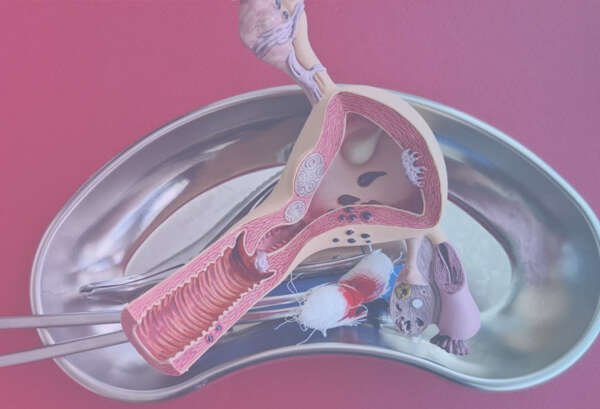
What Is Hysterectomy?
A hysterectomy is a surgical procedure in which the uterus is removed.
Since the uterus is removed during the procedure, menstrual periods stop permanently, and pregnancy is no longer possible after surgery. Depending on the medical condition being treated, a hysterectomy may involve removing only the uterus or, in some cases, the cervix, fallopian tubes, and ovaries as well.
The procedure may be advised for conditions such as:
- Severe or long-term heavy bleeding
- Uterine fibroids
- Endometriosis affecting the uterus
- Uterine prolapse
- Chronic pelvic pain
- Certain pre-cancerous or cancerous conditions
If you are experiencing persistent symptoms, consulting an experienced Gynaecologist in Andheri West can help you understand the most appropriate treatment options.
Types of Hysterectomy Procedures
1. Vaginal Hysterectomy
In a Vaginal Hysterectomy, the uterus is removed through the vaginal canal without any external abdominal cuts.
This is one of the least invasive forms of Uterus Removal Surgery and is usually preferred when the uterus is of normal size and there are no major complications.
Benefits:
- Faster recovery compared to open surgery
- Minimal post-operative pain
- No visible external scar
- Shorter hospital stay
This approach is often considered when planning Hysterectomy Treatment for suitable patients with benign conditions.
2. Abdominal Hysterectomy
In an Abdominal Hysterectomy, the uterus is removed through an incision made in the lower abdomen.
This traditional approach provides wider surgical access and is recommended in more complex cases.
It is commonly advised when:
- The uterus is enlarged due to fibroids (Fibroid Surgery cases)
- There are multiple pelvic adhesions or complicated medical conditions
- Surgeon needs better visibility and access
- Malignancy or suspected cancer is involved
This method is still an important part of Hysterectomy Treatment in Mumbai, especially for complex gynecological conditions.
3. Total Laparoscopic Hysterectomy (TLH)
A Laparoscopic Hysterectomy is a modern, minimally invasive technique widely used in Hysterectomy Surgery in Mumbai.
In TLH, the surgery is performed using:
- Small keyhole incisions
- A high-definition camera (laparoscope)
- Fine surgical instruments
The uterus is removed with precision while minimizing trauma to surrounding tissues.
Benefits of Laparoscopic Hysterectomy:
- Very small incisions (keyhole surgery)
- Reduced post-operative pain
- Faster recovery and early mobility
- Shorter hospital stay
- Better cosmetic outcome
This is one of the most preferred approaches in modern Hysterectomy Treatment due to its safety and recovery advantages.
4. Laparoscopically Assisted Vaginal Hysterectomy (LAVH)
Laparoscopically Assisted Vaginal Hysterectomy (LAVH) is a hybrid technique that combines laparoscopy and vaginal surgery.
Here, laparoscopy is used first to visualize and prepare internal structures, and then the uterus is removed through the vaginal route.
Why it is used:
- Provides better surgical control
- Useful in moderately complex cases
- Safer in patients with adhesions or previous surgeries
- Combines benefits of both laparoscopic and vaginal approaches
This technique is often chosen when a fully laparoscopic or fully vaginal approach alone may not be ideal.
Why Choose Dr. Punam Solanki for Hysterectomy Treatment in Mumbai?
Choosing the right specialist is an important step in any major surgery.
Dr. Punam Solanki is a trusted gynaecologist in Andheri West with experience in managing complex gynecological conditions and surgical treatments.
At Womanhood, patients are guided through every step of the process, from diagnosis to recovery.
You can expect:
- Detailed evaluation before recommending surgery
- Clear explanation of treatment options
- Expertise in minimally invasive procedures including Laparoscopic Hysterectomy
- Focus on safety, comfort, and recovery
- Supportive care before and after surgery
- Honest guidance tailored to each patient
If you are looking for an experienced gynaec in Andheri, Dr. Punam Solanki provides structured care focused on both medical accuracy and patient comfort.
Schedule Your Hysterectomy Consultation at Womanhood
If you are dealing with heavy bleeding, fibroids, chronic pelvic pain, or have been advised to consider a hysterectomy, the next step is understanding your options clearly.
At Womanhood, Dr. Punam Solanki provides trusted Hysterectomy in Andheri, helping women make informed decisions about their health.
With convenient access for patients from Andheri West and nearby areas, care is designed to be accessible, clear, and supportive.
Book your consultation today to understand whether Hysterectomy Surgery is the right option for you.