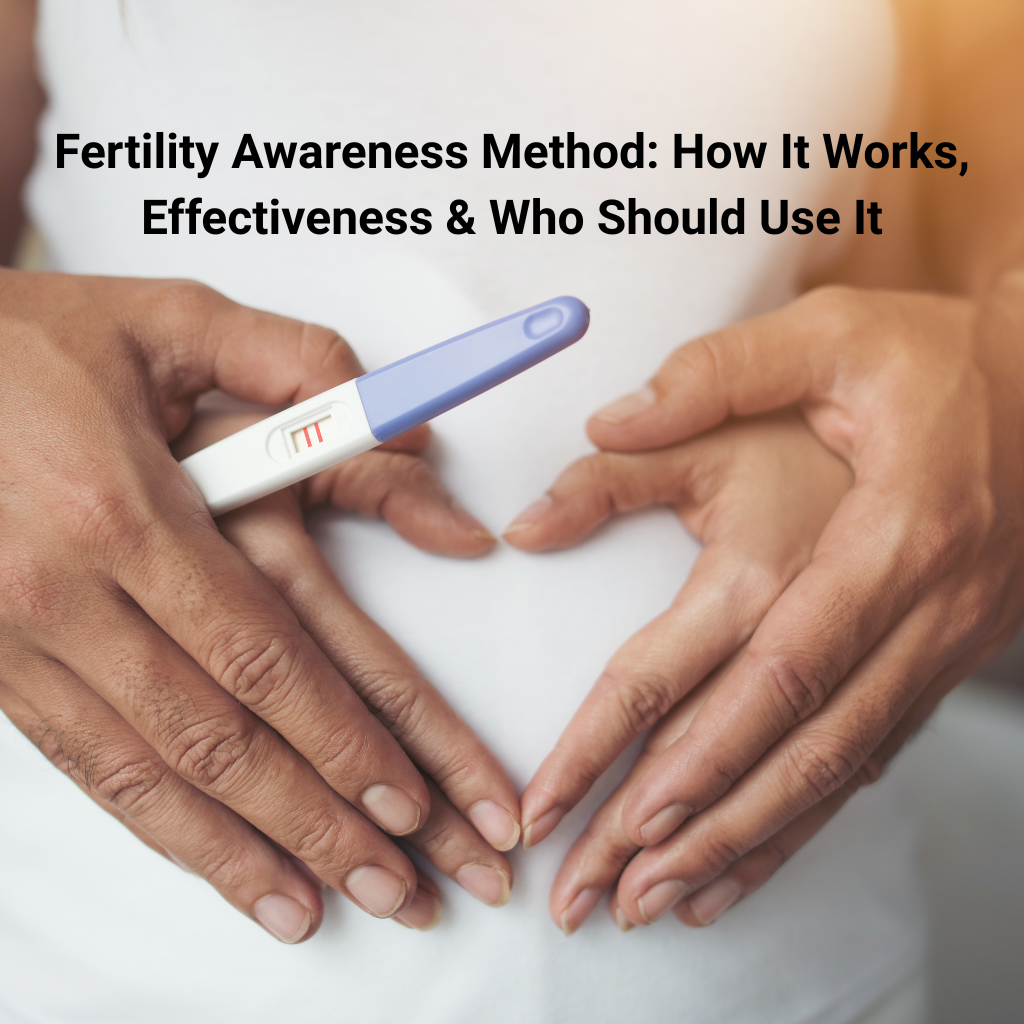
More women today want to understand their bodies better before choosing a birth control method. Some prefer medical contraception, while others ask about natural methods that don’t involve hormones or procedures. One method that often comes up during consultations is the Fertility Awareness Method, commonly called FAM.
In simple terms, this method is about understanding when you are most likely to get pregnant during your monthly cycle. Many patients who visit Womanhood, a well-known gynecology clinic in Mumbai, ask whether this method is reliable and whether it is right for them.
According to Dr Punam Solanki, who provides comprehensive obstetrician and gynecologist services, fertility awareness can be useful, but only when patients clearly understand both its benefits and its limitations.
What Is the Fertility Awareness Method and How Does It Work?
Most women know their cycle has different phases, but not everyone knows exactly when fertility is highest. Fertility Awareness Method focuses on identifying this window.
Instead of using medication, this approach depends on observing body signals. For example, some women notice slight temperature changes, while others observe changes in cervical discharge. These signs help estimate ovulation days.
In practice, this usually means avoiding intercourse or using protection during fertile days if pregnancy is not planned.
At Womanhood, Dr Punam Solanki often explains that this method works best when patients are consistent with tracking. It is not something you can follow casually. Like any health decision, it works better when done with proper medical advice from a family planning clinic in Mumbai.
Different Types of the Fertility Awareness Method
One thing many patients don’t realize is that fertility awareness is not just one technique. There are actually multiple ways to track fertility.
Some women prefer the calendar method because it is simple. Others track temperature daily. Some rely on physical symptoms.
The most reliable approach is usually combining multiple observations. Doctors sometimes call this the symptothermal method.
At a specialized fertility care clinic, patients are sometimes advised to track cycles before starting fertility treatment because it helps doctors understand ovulation patterns better.
This becomes especially important when patients visit expert gynecologist for fertility treatment in Mumbai, because cycle awareness often supports diagnosis.
How Effective Is the Fertility Awareness Method (FAM)?
This is usually the first question patients ask: Does Fertility Awareness Method Actually Work?
The honest answer is that it depends on how carefully it is followed. When used perfectly, it can work reasonably well. But real life is not always perfect. Busy schedules, stress, travel, illness, or irregular sleep can all affect cycle tracking.
This is why doctors usually explain that FAM requires commitment. Missing tracking for even a few days can reduce accuracy.
At Womanhood, Dr Punam Solanki often discusses this honestly with patients. Some women are good candidates, while others may need more reliable contraception depending on their lifestyle and health history.
Women with conditions like irregular cycles or those undergoing PCOS treatment may not find this method predictable enough because ovulation timing can vary.
This is why visiting an experienced doctor at a gynecology clinic in Andheri helps in making the right decision instead of relying only on internet information.
Who Should and Should Not Use the Fertility Awareness Method?
In clinical practice, FAM tends to work well for certain types of patients.
Women who usually do well with this method include those who have regular cycles and are comfortable maintaining daily records. Couples planning pregnancy also sometimes use fertility awareness to improve timing.
However, it may not be ideal for everyone.
Women with irregular cycles, hormonal conditions, or those already undergoing family planning consultations for healthy pregnancy usually need more structured monitoring. Patients seeing an IVF specialist doctor are often advised more precise ovulation tracking rather than relying only on observation.
Similarly, women needing active fertility treatment may require medical monitoring instead of natural tracking alone.
This is why personalized consultation matters more than general advice.
Advantages and Limitations of the Fertility Awareness Method
Many women like the idea of FAM because it is natural. There are no medicines, no devices, and no procedures involved.
Some patients also say they feel more aware of their reproductive health after tracking cycles for a few months.
But doctors also make sure patients understand the limitations. This method requires consistency. It also does not protect against infections. And it may not work well if cycles are unpredictable.
Regular gynaecologist visits also remain important in the process. Even patients using natural methods should continue routine visits to a pregnancy care clinic or gynecology center to monitor overall health.
Women planning pregnancy are often advised pre-pregnancy consultations or a prenatal checkup service to make sure everything is optimized before conception.
Consult Dr Punam Solanki for Personalized Fertility & Contraception Guidance
One thing most women discover after a consultation is that there is no single “best” birth control method. The right choice always depends on health history, future pregnancy plans, and lifestyle.
At Womanhood, Dr Punam Solanki focuses on helping patients understand options rather than pushing one solution. Whether someone is exploring natural fertility awareness, needs guidance for family planning treatments, or is considering advanced fertility treatment in Mumbai, the goal is always informed decision making.
Many patients who search online for a gynaecologist clinic near me are usually looking not just for treatment but for someone who is an expert and explains things clearly. That communication is often what makes the biggest difference.
As a clinic focused on women’s long-term reproductive health, Womanhood provides support ranging from routine gynecology consultations to specialized fertility guidance.
Because in the end, fertility planning is not just about pregnancy or contraception. It is about understanding your body well enough to make decisions with confidence.