Endometriosis is one of the most common gynecological conditions affecting women during their reproductive years, yet it often takes years to be diagnosed. Many women spend a long time assuming their symptoms are simply a normal part of having periods, only to discover later that an underlying condition was causing their pain and discomfort.
At Womanhood, Dr. Punam Solanki frequently meets women who have been living with symptoms for years before seeking medical advice. Understanding the early signs of endometriosis can help women get the right support sooner and avoid unnecessary suffering.
What Is Endometriosis?
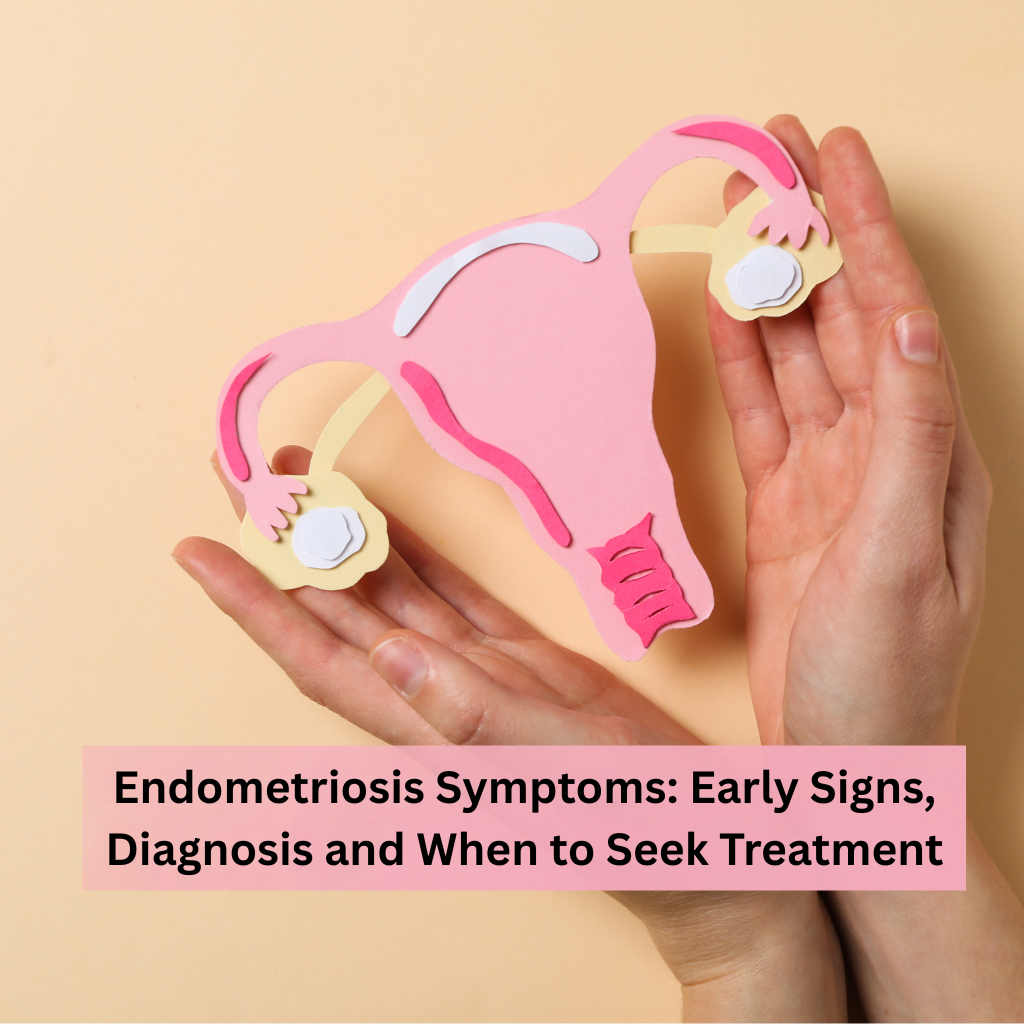
Endometriosis is a condition in which tissue similar to the lining of the uterus grows outside the uterus. This tissue can develop on the ovaries, fallopian tubes, bladder, bowel, or other organs within the pelvis.
Just like the uterine lining, this tissue responds to hormonal changes during the menstrual cycle. However, because it is located outside the uterus, it cannot leave the body normally. Over time, this may lead to inflammation, scar tissue, pelvic pain, and other complications.
Although endometriosis is common, many women are unaware of the condition until symptoms begin affecting their daily life, work, relationships, or fertility.
What Are the Early Signs and Symptoms of Endometriosis?
The symptoms of endometriosis can vary from woman to woman. Some women experience severe pain, while others may have milder symptoms that gradually worsen over time.
1. Severe Menstrual Cramps
Period pain that feels intense, lasts for several days, or affects your daily routine may be more than normal menstrual discomfort. Many women with endometriosis find that regular pain medications provide only temporary relief.
2. Pelvic Pain Before or During Periods
Persistent pelvic pain that starts before your period and continues during menstruation is one of the most common signs of endometriosis. The pain may become more noticeable over time.
3. Pain During or After Intercourse
Some women experience pain during or after sexual intercourse due to endometrial tissue growing in areas around the pelvis. This symptom should not be ignored, especially if it occurs repeatedly.
4. Heavy Menstrual Bleeding
Periods that are unusually heavy, prolonged, or accompanied by significant clotting can sometimes be associated with endometriosis and should be evaluated by a healthcare professional.
5. Lower Back Pain During Periods
Endometriosis-related pain is not always limited to the lower abdomen. Many women report lower back pain that becomes worse around their menstrual cycle.
6. Painful Bowel Movements During Menstruation
Pain or discomfort while passing stools, particularly during periods, can occur when endometriosis affects areas near the bowel.
7. Fatigue and Low Energy Levels
Living with chronic pain and inflammation can leave many women feeling unusually tired, even when they are getting enough rest.
8. Difficulty Conceiving
For some women, fertility challenges may be the first indication of endometriosis. The condition can sometimes affect the reproductive organs and make conception more difficult.
9. Pelvic Discomfort Between Periods
While many symptoms are linked to menstruation, some women continue to experience pelvic pain or discomfort throughout the month.
One thing Dr. Punam Solanki often tells patients is that severe pain should never be dismissed simply because it occurs during periods. If symptoms regularly affect your work, social life, exercise routine, or overall well-being, it may be time to consult an endometriosis doctor for further evaluation.
When Do Endometriosis Symptoms Need Medical Attention?
Not every painful period is caused by endometriosis. However, there are certain situations where it is worth speaking with a healthcare professional.
You should consider consulting a doctor if:
- Period pain is becoming more severe each month
- Pain medication no longer provides relief
- You regularly miss work, school, or social activities because of symptoms
- You experience pain during intercourse
- You have ongoing pelvic pain between periods
- You are struggling to conceive
Many women wait years before discussing these symptoms because they assume period pain is something they simply have to tolerate. In reality, persistent pelvic pain often deserves a closer look.
An experienced gynecologist for endometriosis can help determine whether your symptoms are related to endometriosis or another gynecological condition requiring treatment.
Period Pain vs Endometriosis Pain: How Can You Tell the Difference?
One of the biggest misconceptions in women’s health is that all period pain is normal.
Typical menstrual cramps usually improve within a day or two and respond to rest, heat therapy, or over-the-counter medication. Endometriosis pain often behaves differently.
Women with endometriosis frequently describe pain that:
- Feels more intense than regular menstrual cramps
- Starts before the period begins
- Continues for several days
- Interferes with daily activities
- Occurs during intercourse or bowel movements
- Persists even outside the menstrual cycle
At Womanhood, Dr. Punam Solanki often helps patients understand that the severity of symptoms does not always reflect the severity of the condition itself. Some women with mild disease experience significant pain, while others with advanced endometriosis may have fewer symptoms.
This is why proper endometriosis diagnosis is important rather than relying solely on symptom severity.
What Are the Treatment Options for Endometriosis?
There is no single treatment that works for everyone. The right approach depends on your symptoms, age, fertility goals, and overall health.
1. Pain Management
Medications may help reduce pain and inflammation, making day-to-day symptoms easier to manage.
2. Hormonal Treatment
Hormonal therapies can help regulate menstrual cycles and slow the growth of endometrial tissue, reducing symptoms over time.
3. Lifestyle Support
Regular exercise, healthy eating, stress management, and adequate sleep may help improve overall well-being and symptom control.
4. Fertility Treatments
For women facing fertility challenges, fertility treatments such as ovulation induction or IVF may be recommended depending on individual circumstances and pregnancy goals.
5. Surgical Options
In moderate to severe cases, procedures such as laparoscopic excision may be performed to remove endometriosis tissue. In select situations, a hysterectomy may be considered after careful evaluation and discussion with your doctor.
The goal of endometriosis treatment is not only to reduce pain but also to improve overall quality of life and protect long-term reproductive health.
Consult Dr. Punam Solanki for Endometriosis Treatment in Andheri
Living with ongoing pelvic pain, painful periods, or fertility concerns can be frustrating, especially when you do not know the cause.
At Womanhood, Dr. Punam Solanki focuses on helping women understand their symptoms, receive an accurate diagnosis, and explore treatment options that suit their individual health needs and future goals.
If you are looking for an experienced gynecologist for endometriosis, or expert endometriosis treatment in Andheri, seeking advice early can make a significant difference.
As a trusted gynaecologist in Andheri, Dr. Punam Solanki provides compassionate care for women dealing with pelvic pain, menstrual health concerns, fertility challenges, and endometriosis. Whether you need an endometriosis diagnosis, ongoing symptom management, or personalized endometriosis treatment in Andheri, the team at Womanhood is here to support you.
Sometimes, understanding the reason behind your symptoms is the first step toward feeling better and taking control of your reproductive health.