
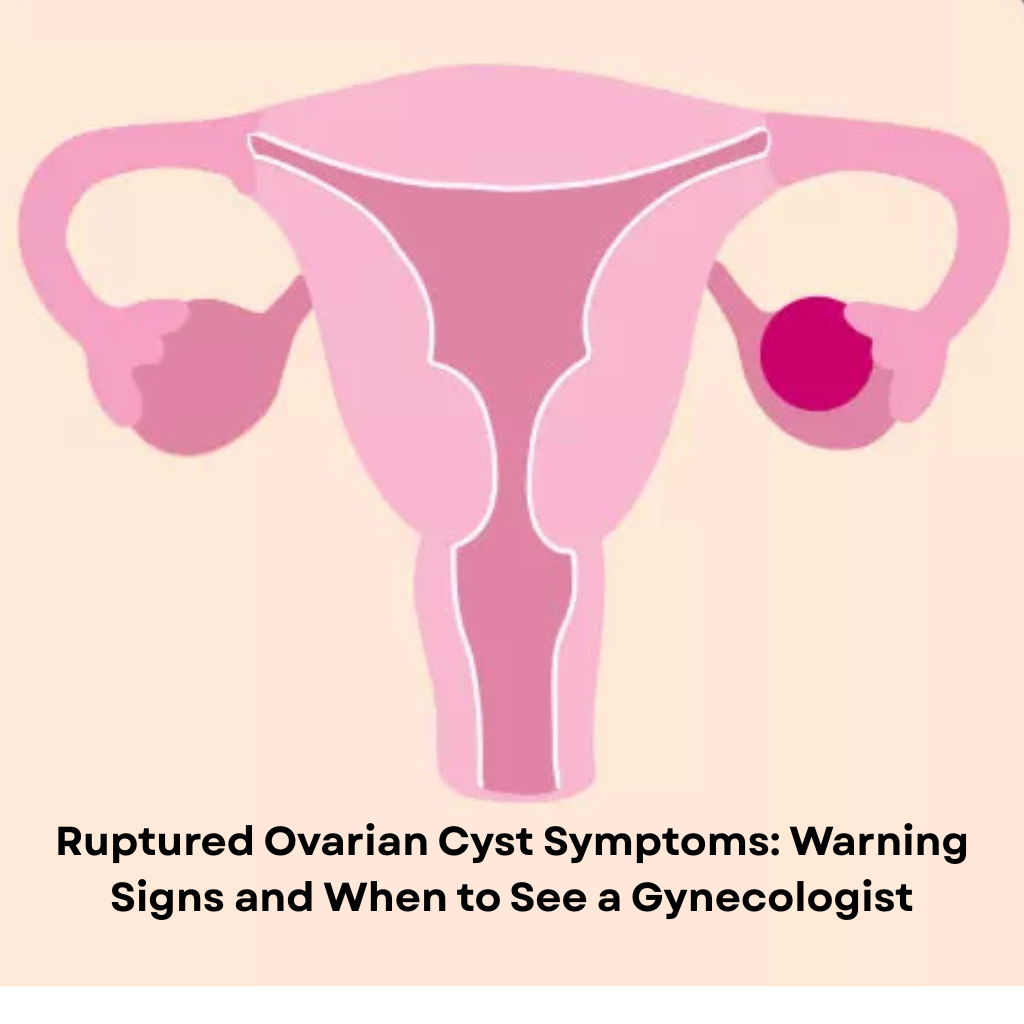
Most ovarian cysts are harmless and often disappear without causing any symptoms. In fact, many women don’t even realize they have one until it is detected during a routine ultrasound. However, there are times when an ovarian cyst can rupture, leading to sudden pain and other symptoms that should never be ignored.
A ruptured ovarian cyst is not always a medical emergency, but in some cases, it requires prompt evaluation and treatment. Knowing the warning signs can help you seek medical care before complications develop.
At Womanhood, Dr. Punam Solanki often sees women who mistake severe pelvic pain for menstrual cramps or digestive discomfort. While mild pain may settle on its own, sudden or intense pain deserves medical attention. Early evaluation allows doctors to determine whether the cyst can be managed with medication or requires further treatment.
What Is a Ruptured Ovarian Cyst and What Causes It?
An ovarian cyst is a fluid-filled sac that develops on or inside an ovary. Most cysts form naturally during ovulation and disappear within a few menstrual cycles without treatment.
A ruptured ovarian cyst occurs when the cyst breaks open, releasing its fluid into the pelvic cavity. This may happen naturally as the cyst grows or during activities such as exercise, sexual intercourse, or simply during the normal menstrual cycle.
Not every ruptured cyst causes severe symptoms. Smaller cysts often heal without intervention, while larger cysts or those associated with bleeding may require medical care.
Common factors that increase the risk include:
- Large ovarian cysts
- Hormonal changes during ovulation
- Endometriosis-related cysts
- Polycystic ovarian conditions
- Previous history of ovarian cysts
One question many women ask is, “Can a ruptured ovarian cyst heal on its own?” The answer is yes, many uncomplicated cysts resolve with rest, pain relief, and monitoring. However, persistent pain or heavy internal bleeding requires immediate medical evaluation.
What Are the Common Ruptured Ovarian Cyst Symptoms?
The symptoms vary depending on the size of the cyst and whether internal bleeding has occurred. Some women experience mild discomfort, while others develop sudden pain that requires emergency care.
Common ruptured ovarian cyst symptoms include:
1. Sudden Pelvic Pain
A sharp pain on one side of the lower abdomen is often the first symptom. It may begin suddenly and can range from mild discomfort to severe pain.
2. Pain During Movement
Walking, exercising, coughing, or changing positions may make the pain worse.
3. Abdominal Bloating
Some women notice bloating or a feeling of pressure in the lower abdomen after the cyst ruptures.
4. Nausea or Vomiting
Severe pain may be accompanied by nausea, particularly if the cyst has caused irritation inside the abdomen.
5. Light Vaginal Bleeding
A small amount of spotting or light bleeding may occur after the rupture.
6. Dizziness or Weakness
Feeling faint, dizzy, or unusually weak may indicate significant internal bleeding and should never be ignored.
Many women describe the pain as different from their usual menstrual cramps. If the discomfort is severe enough to interrupt your daily routine or is associated with fever, vomiting, or dizziness, medical attention should not be delayed.
How Is a Ruptured Ovarian Cyst Diagnosed and Treated?
Because the symptoms can resemble appendicitis, ectopic pregnancy, kidney stones, or pelvic infections, an accurate ovarian cyst diagnosis is essential.
Your doctor will usually begin by discussing your symptoms and medical history, followed by a physical examination.
Depending on your condition, further evaluation may include:
- Pelvic ultrasound
- Blood tests
- Pregnancy test
- Additional imaging if required
The right ovarian cyst treatment depends on the severity of the rupture and your overall health.
For uncomplicated cysts, treatment may include:
- Observation and follow-up
- Pain-relieving medications
- Rest and temporary activity modification
If there is significant bleeding, a large cyst, or concern about complications, hospital care may be recommended.
One concern many women have is whether a ruptured cyst affects fertility. In most cases, a simple ruptured cyst does not reduce the chances of pregnancy. However, conditions such as endometriosis or recurrent ovarian cysts may require additional fertility evaluation.
When Is Ovarian Cyst Removal Surgery Needed?
The good news is that not every ovarian cyst requires surgery. Many cysts are small, harmless, and go away on their own with monitoring or simple treatment. However, it is important to understand when ovarian cyst removal surgery is necessary and when observation may be enough.
Doctors usually recommend ovarian cyst removal only when the cyst is persistent, unusually large, causing severe symptoms, or appears suspicious on imaging.
In many cases, the preferred procedure is ovarian cystectomy surgery, a minimally invasive operation that removes the cyst while preserving as much healthy ovarian tissue as possible. This approach is especially beneficial for women who wish to conceive in the future.
Emergency surgery may also be necessary if the ruptured cyst causes heavy internal bleeding, ovarian torsion, or ongoing pain that does not improve with conservative treatment.
Dr. Punam Solanki always discusses all available treatment options before recommending surgery, ensuring every patient understands the benefits, recovery process, and impact on future fertility.
When Should You See a Gynecologist for Ovarian Cyst Symptoms?
Not every episode of pelvic pain is caused by an ovarian cyst, but persistent or severe symptoms should never be ignored.
You should schedule an appointment if you experience:
- Sudden or severe pelvic pain
- Recurrent ovarian cyst symptoms
- Pain during intercourse
- Persistent bloating
- Irregular menstrual cycles
- Repeated ovarian cysts on ultrasound
Seek emergency medical care immediately if you develop:
- Severe abdominal pain
- Heavy vaginal bleeding
- Fever
- Fainting or dizziness
- Difficulty standing due to pain
An experienced gynecologist in Andheri can determine whether your symptoms are related to a ruptured cyst or another gynecological condition requiring treatment.
Consult Dr. Punam Solanki at Womanhood for Ovarian Cyst Treatment in Andheri
Every woman experiences ovarian cysts differently, which is why treatment should always be tailored to individual needs rather than based on symptoms alone.
At Womanhood, Dr. Punam Solanki provides comprehensive evaluation and personalized treatment for women experiencing pelvic pain, recurrent ovarian cysts, and other gynecological concerns. From accurate ovarian cyst diagnosis to advanced cyst treatment and minimally invasive cystectomy surgery when required, every treatment plan is designed with your long-term reproductive health in mind.
If you are looking for a trusted gynecologist in Andheri, Womanhood offers compassionate, evidence-based care at every stage of your women’s health journey.
Ignoring persistent pelvic pain can delay diagnosis and treatment. If you’re experiencing symptoms of a ruptured ovarian cyst or have concerns about your reproductive health, schedule a consultation with Dr. Punam Solanki at Womanhood and get the expert care you deserve.