

Hysteroscopy lets your doctor examine your uterus as well as various reproductive organs.
It will provide your doctor with details about your uterus, fallopian tubes, as well as the ovaries. It can help treat fertility issues, including infertility issues, detect abnormal bleeding from the uterus, and to determine the cause of infertility.
A hysteroscopy can be described as one of the most safe and minimally surgical procedures that aren’t invasive. It’s usually done as an outpatient procedure with only a small amount of sedated.
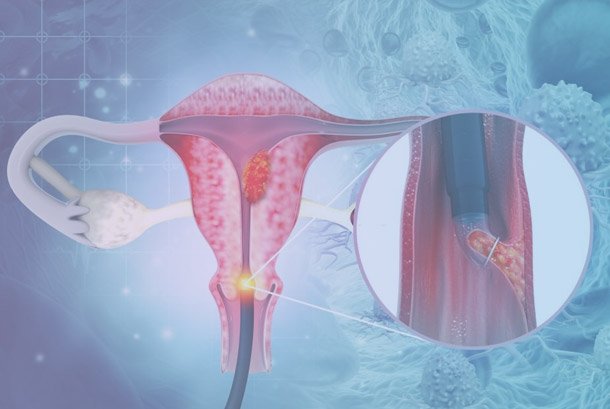
The most frequent reason to have a hysteroscope inserted into your uterus is for diagnosing and deal with the cause of abnormal bleeding. Other purposes include diagnosing polyps, fibroids or tumors; diagnosing the reason why you aren’t able to become pregnant; taking out objects like IUDs as well as uterine coils and taking tissue samples to examine under the microscope. Other uses for hysteroscopy are the removal of pelvic inflammatory disease (PID) tissues following birth, performing minor procedures such as biopsies as well as treating the condition of endometriosis.
If you have symptoms, you may need Hysteroscopy.
- If you’re experiencing unusual bleeding from the uterus
- If you continue bleeding after Menopausal
- If you’ve experienced multiple miscarriages or have abnormal Pap test results, you should seek a doctor.