

What is Ovarian Cystectomy?
Ovarian cystectomy is a surgical procedure to remove cysts from the ovary while preserving the healthy ovarian tissue. Ovarian cysts are quite common in women, especially during the reproductive years, and many do not cause symptoms. However, when a cyst leads to persistent pain, bloating, menstrual irregularities, or other discomfort, treatment may be necessary.
Ovarian cyst removal is usually recommended when the cyst does not resolve on its own or starts affecting daily life or fertility. With modern surgical techniques, doctors aim to safely remove the cyst while protecting the ovary and supporting long-term reproductive health.
While most cysts can be treated effectively with cystectomy surgery, regular gynecological check-ups are important as cysts may occasionally recur. Removal of the ovary is only considered in specific medical situations where it is absolutely necessary.
What Exactly Is an Ovarian Cyst?
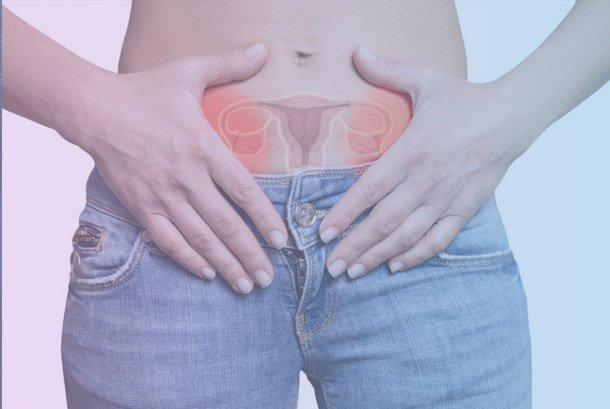
An ovarian cyst is a fluid-filled sac that develops on or inside an ovary. Most ovarian cysts are harmless and form naturally during the menstrual cycle, often disappearing on their own without treatment. However, some may require medical attention or cystectomy surgery if they grow larger or start causing symptoms such as pelvic pain, bloating, or discomfort.
In many cases, ovarian cysts are detected during routine check-ups and may simply need monitoring. But if the cyst continues to grow or begins to affect your daily comfort, an experienced gynecologist may recommend ovarian cyst removal surgery.
At Womanhood, our obstetrician and gynecologist services focus on accurate diagnosis and personalised treatment. During an ovarian cystectomy, the goal is to remove the cyst safely while preserving the ovary whenever possible to support long-term reproductive and hormonal health.
When Is Ovarian Cystectomy Surgery Recommended?
Your doctor may suggest ovarian cyst removal surgery in the following situations:
- Cysts affecting both ovaries: When ovarian cysts develop on both ovaries and require medical evaluation or treatment.
- Cyst not resolving naturally: If an ovarian cyst does not shrink or disappear even after 2–3 months of observation.
- Complex cyst seen on ultrasound: When scan reports suggest the cyst may not be a simple functional cyst and needs further assessment.
- Concern about cancer risk: If your gynecologist suspects any abnormal features that require surgical removal and testing to rule out ovarian cancer.
Laparoscopic Ovarian Cystectomy
Laparoscopy is a commonly performed procedure for ovarian cyst removal, where small cuts are made in the lower abdomen to remove the cyst. Compared to open surgery, this method usually causes less discomfort and patients are able to recover faster. An experienced obstetrician and gynecologist will decide if this approach is suitable based on the size of the cyst and the patient’s overall condition. In some cases, the same method may also be used to treat fibroids or abnormal bleeding problems if required.
Laparotomy Ovarian Cystectomy
Laparotomy is a surgical option for ovarian cyst removal where a larger incision is made in the abdomen to access the ovary. It is usually advised when the cyst is too large or complicated to be removed through laparoscopy. Your gynecologist may suggest this procedure to ensure the cyst can be removed safely and to properly assess the condition of the ovary.
What Are the Benefits of an Ovarian Cystectomy?
Ovarian cystectomy offers several benefits, especially when cysts start causing symptoms or complications. With timely treatment and expert care, the procedure can help improve comfort and protect long-term reproductive health.
1. Relief from pelvic pain and discomfort: Ovarian cyst removal helps reduce symptoms such as pelvic pain, bloating, and abdominal pressure caused by large or persistent cysts.
2. Helps preserve fertility: During ovarian cystectomy surgery, the focus is on removing only the cyst while preserving the healthy ovary, which helps maintain hormonal balance and fertility.
3. Reduces the risk of complications: Timely cyst surgery can help prevent issues such as cyst rupture, internal bleeding, or ovarian torsion.
4. Minimally invasive treatment options: Many procedures today are performed using advanced laparoscopic techniques by an experienced obstetrician and gynecologist, allowing smaller incisions and less post-surgical discomfort.
5. Quicker recovery with expert care: With comprehensive gynecologist services, patients benefit from personalised treatment planning and guided recovery support.
How Do I Choose the Right Gynecologist for Ovarian Cyst Surgery?
If you are searching for ovarian cyst surgery in Mumbai, choosing the right gynac can make a big difference in your treatment experience. At Womanhood, Dr. Punam Solanki focuses on understanding the patient’s symptoms, medical history, and future health plans before recommending ovarian cyst removal or any other treatment.
While selecting a gynecologist in mumbai, it is helpful to look at the experience of the gynac, the facilities available at the gynecology clinic, and how easily you can book a gynecologist online appointment for consultation and follow-ups. A good gynecologist will always explain the treatment options clearly and help you make an informed decision.
Whether you’ve just been diagnosed with a cyst or have been dealing with symptoms for some time, getting the right advice early can make a real difference. You can easily book a gynecologist online appointment with Dr. Punam Solanki at Womanhood and take the first step toward better care and peace of mind. She also provides support for a range of gynac concerns including PCOS treatment, family planning, and fertility treatment, offering complete women’s healthcare under one roof.