Most women don’t think about hormones right away when something feels off. It usually starts with small, easy-to-ignore changes, your cycle shifts a little, your energy feels lower than usual, or your mood isn’t quite the same without any clear reason.
At first, it didn’t feel serious. You assume it’s just stress, a busy routine, or lack of sleep, and you move on.
But over time, these small changes don’t just go away. They start becoming patterns. Your body feels slightly out of sync more often than not. And in many cases, these subtle signs are linked to your hormones trying to tell you something isn’t balanced.
Understanding these signs early can make a difference, and that’s where Dr Punam at Womanhood helps you stay informed.
What Is Hormonal Imbalance in Women?
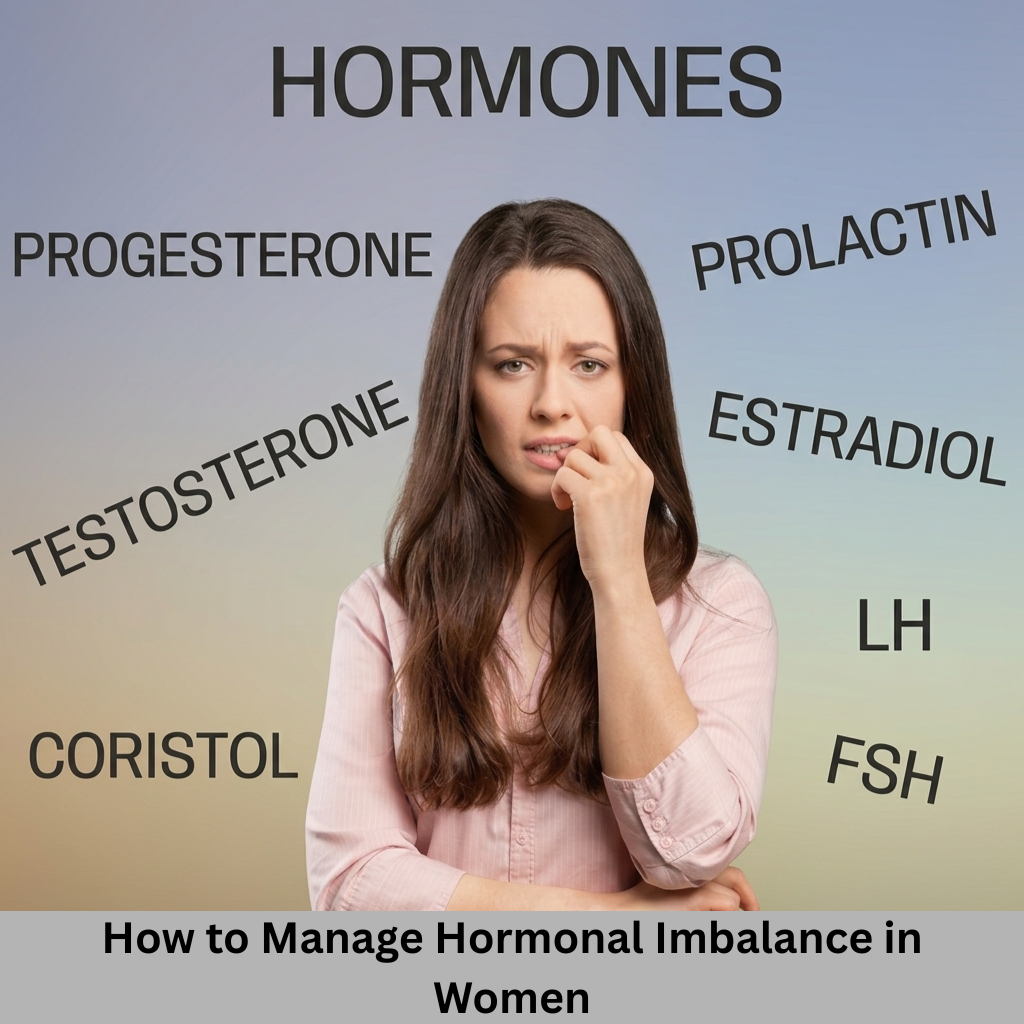
Hormones control more than we realise, especially in women. Hormones affect your periods, your sleep, your mood, even how your body stores fat.
A hormonal imbalance simply means these hormones are not working in sync the way they should. It doesn’t have to be drastic, even a slight shift can make you feel different.
That’s why it helps to schedule a gynecologist appointment early on, just to understand what’s going on and avoid things getting more complicated later.
Causes & Common Signs of Hormonal Imbalance in Women
There’s rarely just one reason behind the imbalance. For many women, it’s a mix of daily habits, stress, and underlying conditions like PCOS or thyroid issues.
Some common triggers include:
- Irregular sleep patterns
- Long-term stress
- Poor eating habits
- Sudden weight gain or loss
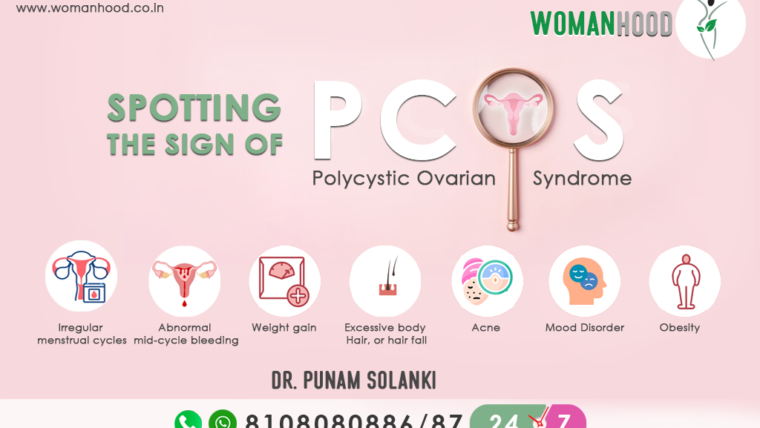
- Hormonal conditions like PCOS/PCOD
One thing that often gets overlooked is irregular periods. When your cycle keeps changing, late one month, early the next, it can be both a sign and a cause of hormonal imbalance.
Over time, you might start noticing:
- Missed or unpredictable periods
- Acne that doesn’t settle
- Hair fall or unusual hair growth
- Mood swings that feel hard to explain
- Constant fatigue
These are also linked to common gynecological problems that shouldn’t be ignored if they continue for a while.
At Womanhood, this is something seen quite often, women wait it out, thinking it will settle, until it starts affecting their routine.
How to Manage Hormonal Imbalance Naturally
You don’t always need drastic changes. In many cases, small shifts in your routine can make a real difference over time.
1. Start with your meals
Try eating more home-cooked food. Simple meals with balanced nutrients are easier on your body compared to processed or outside food.
2. Move a little every day
It doesn’t have to be a workout. Even a 20–30 minute walk helps regulate your system.
3. Fix your sleep timing
Sleeping late or at irregular hours can affect your hormone cycle more than you realise. A consistent routine helps your body reset.
4. Pay attention to stress
Stress builds quietly. And when it stays for too long, it starts interfering with hormones like cortisol, which then affects your cycle and energy levels.
5. Don’t keep guessing
If symptoms continue, it’s better to check instead of trying different home remedies without clarity.
When to Consult a Gynecologist for Hormonal Issues
A lot of women delay this step. Mostly because the symptoms don’t feel urgent.
But it’s worth getting checked if:
- Your periods have been irregular for a few months
- You’re noticing changes in skin, hair, or weight
- You’ve been trying to conceive without success
- You just don’t feel like yourself for a while
If you’ve searched for a gynecologist centre near me or a gynae in Andheri West, chances are you’re already looking for answers.
Booking a gynecologist appointment with Womanhood at the right time can actually prevent things from getting complicated later.
Benefits of Regular Visits to an Obstetrician and Gynecologist
Most people only visit when something feels wrong. But regular obstetrician and gynecologist visits can help you stay ahead of potential issues.
They help in:
- Detecting hormonal imbalance early
- Managing conditions like PCOS
- Tracking menstrual and reproductive health
- Getting the right advice at different life stages
At a trusted gynecology clinic in Mumbai, our care isn’t limited to one concern.
From PCOS treatment to prenatal pregnancy care, along with treatments for endometriosis and hysteroscopy procedures, at Womanhood the approach is simple, understand your body first and guide you through every stage, instead of only addressing symptoms when they show up.
Having access to proper obstetrician and gynecologist services makes a big difference in how early and effectively issues are managed.
Consult Dr. Punam Solanki for Personalized Hormonal Care
Hormonal health isn’t one-size-fits-all. Every woman’s body is different, with different hormonal patterns and concerns. That’s why understanding what’s actually causing the imbalance is important, so the treatment is right, not just general.
Dr. Punam Solanki, a well-known female gynecologist, takes a more practical approach by understanding your lifestyle, your symptoms, and what might be causing the imbalance in your case.
At Womanhood, consultations are not rushed. The idea is to give you clarity, not confusion.
Whether it’s irregular cycles, PCOS, or hormonal changes during pregnancy, the focus stays on long-term balance.
You can easily schedule a gynecologist online appointment through our website and consult Dr. Punam Solanki at Womanhood for personalized, expert care tailored to your needs.
Frequently Asked Question(FAQ):
Can stress cause hormonal imbalance in women?
Yes, it can. When stress stays for a long time, cortisol levels increase. This starts affecting other hormones, which can lead to irregular periods, poor sleep, and low energy.
Which test is done for hormonal imbalance?
It depends on your symptoms. Usually, doctors suggest blood tests to check thyroid levels, estrogen, progesterone, and other related hormones to understand what’s causing the imbalance.
What foods help balance hormones in females?
There’s no single food, but a balanced diet helps. Home-cooked meals, fruits, vegetables, nuts, and protein-rich foods support better hormonal health over time.