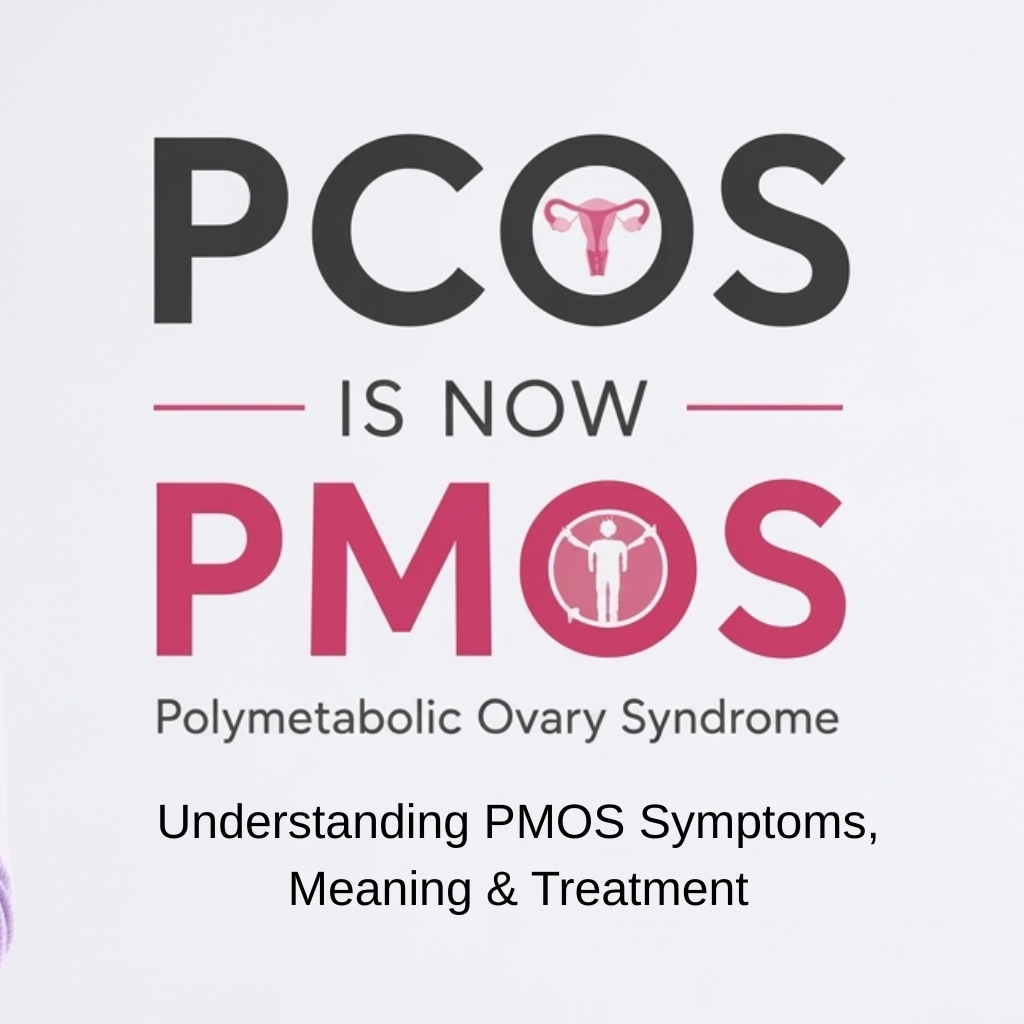
For years, most women have heard the term PCOS, or Polycystic Ovary Syndrome. Recently, doctors and health experts have started using a newer term, PMOS, short for Polyendocrine Metabolic Ovarian Syndrome. The condition itself has not completely changed, but the understanding of it certainly has.
The older term mainly focused on the ovaries, but today doctors & gynaec know the condition affects much more than that. It can impact hormones, metabolism, fertility, weight, skin health, and even emotional well-being. Many women diagnosed with PCOS never actually had ovarian cysts, which is one reason the discussion around PMOS vs PCOS has become more important.
At Womanhood, we often see women who spend years ignoring symptoms like irregular periods, acne, weight changes, or excessive hair growth because they assume it is “normal hormonal fluctuation.” In reality, these symptoms may point toward an underlying hormonal imbalance that needs proper medical attention. Under the care of Dr. Punam Solanki, women receive guidance that focuses not just on symptom control, but on improving overall hormonal and reproductive health in a practical and sustainable way.
What Is PMOS? Understanding the New Meaning Behind PCOS
The term PMOS refers to Polyendocrine Metabolic Ovarian Syndrome. While PCOS is still commonly used, PMOS is being discussed more often now because it describes the condition more accurately.
Instead of being only an ovarian issue, PMOS is now understood as a broader hormonal and metabolic disorder. It can affect different parts of the body, including menstrual cycles, ovulation, insulin levels, weight regulation, skin, and fertility.
This updated understanding is important because many women with PMOS struggle with symptoms that go far beyond periods alone. Some women experience fatigue, mood changes, difficulty losing weight, or problems with conception long before they are diagnosed.
At Womanhood, the focus is on helping women understand these changes early so treatment can begin before symptoms become more difficult to manage.
Why Was PCOS Renamed to PMOS?
The shift from PCOS to PMOS happened because doctors felt the older name no longer explained the condition properly.
For years, many women believed that PCOS only meant “cysts in the ovaries.” But doctors now know that ovarian cysts may not even be present in every patient. In many cases, the bigger concern is the effect the condition has on hormones, metabolism, ovulation, and insulin resistance.
This is why conversations around PMOS vs PCOS are becoming more common in women’s healthcare today.
The condition is now more closely linked to:
- Hormonal imbalance
- Insulin resistance
- Irregular ovulation
- Fertility challenges
- Weight fluctuations
- Skin and hair-related symptoms
The updated term also helps women understand that this condition can affect long-term health if left unmanaged.
At Womanhood, Dr. Punam Solanki explains these hormonal changes in a simple and practical way so patients feel informed rather than overwhelmed.
Common PMOS Symptoms Women Should Not Ignore
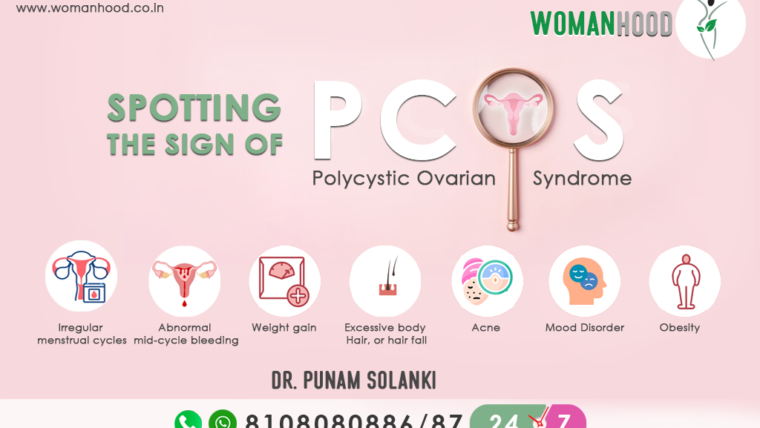
The signs of PMOS are not always the same for everyone. Some women may notice only irregular periods, while others may struggle more with skin issues, hair growth, or fertility concerns.
Some common PMOS symptoms include:
- Irregular or missed periods
- Acne or oily skin
- Weight gain
- Difficulty losing weight
- Excess facial or body hair
- Hair thinning or hair fall
- Tiredness and fatigue
- Mood swings
- Difficulty getting pregnant
Many women ignore these symptoms for years, especially when they appear gradually. But an untreated hormonal imbalance can sometimes affect reproductive and metabolic health over time.
If symptoms continue for a long period, consulting a gynecologist in Andheri for PMOS can help identify the cause early and prevent complications later.
Can PMOS Affect Fertility and Pregnancy?
One of the biggest concerns women have about PCOS or PMOS is fertility.
Since the condition can affect ovulation, some women may find it difficult to conceive naturally. Irregular ovulation or missed cycles can reduce the chances of pregnancy if left untreated.
The positive side is that many women with PMOS can conceive successfully with the right treatment and lifestyle support.
At Womanhood, we provide personalized PMOS management & treatment and fertility consultation depending on a woman’s symptoms, hormonal health, and pregnancy goals. Dr. Punam Solanki works closely with women who are planning pregnancy and need support with ovulation tracking, hormonal balance, or reproductive care.
Early diagnosis often makes treatment easier and improves fertility outcomes significantly.
PMOS (PCOS) Treatment Options for Hormonal Balance & Long-Term Health
There is no single treatment that works for every woman with PMOS because symptoms can vary widely.
At Womanhood, treatment plans are personalized after understanding a woman’s medical history, symptoms, lifestyle, and reproductive goals. The aim is to improve overall hormonal health instead of only treating one symptom at a time.
Management may include:
- Lifestyle and dietary guidance
- Weight management support
- Hormonal treatment
- Menstrual cycle regulation
- Fertility support
- Insulin resistance management
- Acne and hair-related treatment
In many cases, simple lifestyle changes combined with proper medical support can help improve symptoms significantly over time.
Women searching for PMOS treatment in Mumbai today are increasingly looking for long-term hormonal care rather than temporary fixes, which is why a personalized approach matters.
When Should You Consult a Gynecologist for PMOS in Andheri?
You should consider consulting a PCOS gynecologist in Andheri if you notice symptoms such as:
- Frequent missed periods
- Persistent acne
- Difficulty conceiving
- Sudden weight gain
- Excess hair growth
- Hair thinning
- Severe menstrual irregularities
At Womanhood, we regularly meet women who have silently struggled with these symptoms for years before seeking help. As a trusted gynecologist centre in Andheri, our focus is on providing clear guidance, practical treatment plans, and long-term support for women dealing with hormonal and reproductive health concerns.
Final Thoughts
The move from PCOS to PMOS reflects a growing understanding of how deeply this condition can affect a woman’s hormonal and metabolic health.
While the terminology may continue to evolve, one thing remains unchanged, early diagnosis and proper treatment can make a major difference in symptom control, fertility, and overall well-being.
If you are experiencing irregular periods, acne, weight changes, or symptoms linked to hormonal imbalance in women, it may be the right time to seek professional guidance.
At Womanhood, Dr. Punam Solanki offers compassionate and personalized care for women looking to better manage PMOS symptoms and improve their long-term hormonal health.