If you are trying to conceive, understanding your ovulation cycle can significantly improve your chances of pregnancy. Many women are unaware that pregnancy is only possible during a small window of time each month, known as the fertile window.
Knowing when you ovulate helps you plan intercourse at the right time and understand your reproductive health better. At Womanhood, under the guidance of Dr Punam Solanki, couples receive personalized fertility guidance and pregnancy planning support to make conception easier and less stressful.
What Is the Ovulation Period?
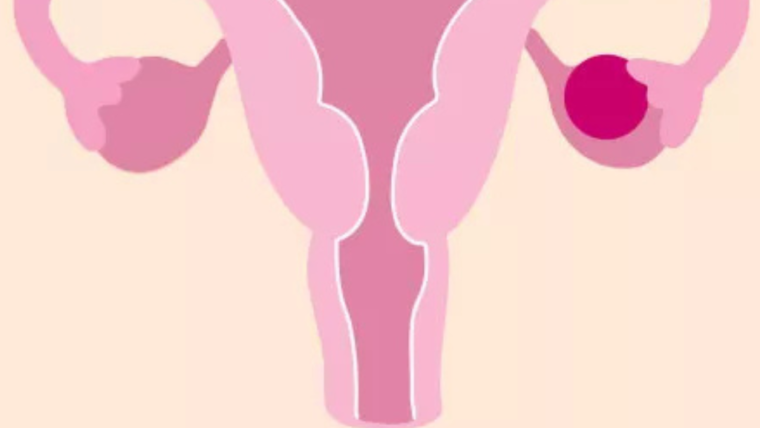
Ovulation is the process where a mature egg is released from the ovary. This usually happens once during every menstrual cycle.
After the egg is released, it travels through the fallopian tube where it can be fertilized by sperm. If fertilization does not happen, the egg dissolves naturally and menstruation begins later in the cycle.
In most women with a regular 28-day cycle, ovulation typically happens around Day 14. However, every woman’s cycle is different, especially in cases of Irregular Periods or hormonal imbalance.
Understanding your ovulation timing is one of the most important steps in natural pregnancy planning.
Why Is Ovulation Important for Pregnancy?
Pregnancy can only happen when sperm meets the egg during ovulation. Since the egg survives for only about 12–24 hours after release, timing plays a major role.
Tracking ovulation helps:
- Improve chances of natural conception
- Identify fertile days accurately
- Understand cycle irregularities
- Support family planning goals
- Detect possible fertility concerns early
Many women visiting a fertility care clinic or seeking family planning consultation are often advised to track ovulation before starting advanced fertility treatment.
At Womanhood, fertility evaluation focuses not only on treatment but also on helping women understand their menstrual and ovulation patterns naturally.
How to Calculate Your Ovulation Period (Step-by-Step)
Step 1: Track Your Menstrual Cycle
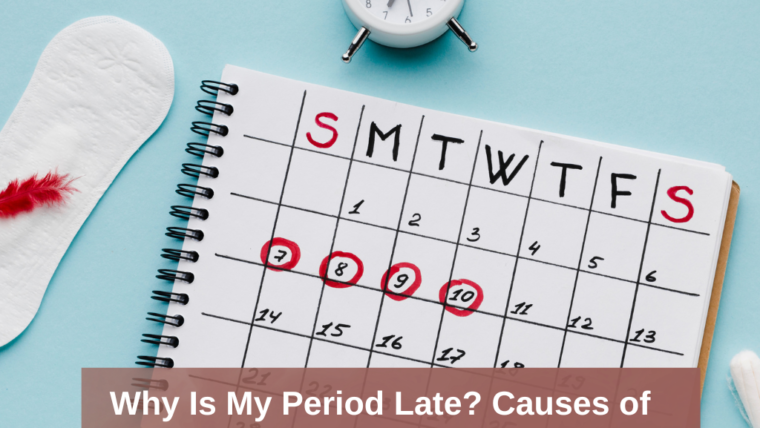
The first day of your period is counted as Day 1 of your cycle.
For example:
- If your cycle length is 28 days, ovulation usually happens around Day 14.
- If your cycle length is 32 days, ovulation may happen around Day 18.
Generally, ovulation occurs about 14 days before your next period.
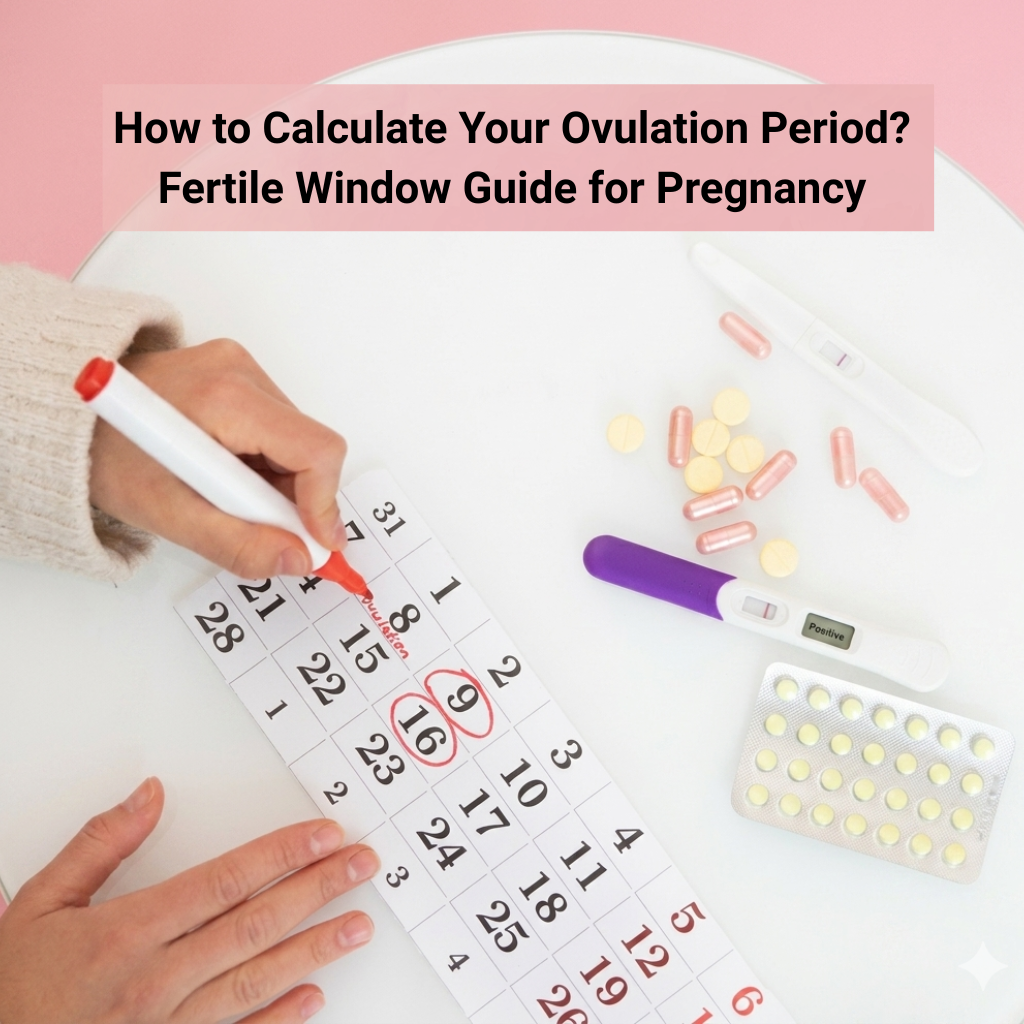
Example: If you got your period on the 3rd of the month and have a regular 28-day cycle, ovulation is likely to occur around the 17th of the month, and your fertile window may last for about 5 days.
Step 2: Calculate Your Fertile Days
Your fertile window includes:
- 5 days before ovulation
- The day of ovulation
- 1 day after ovulation
This is because sperm can survive inside the female body for up to 5 days.
Step 3: Monitor Ovulation Symptoms
Your body may naturally show signs of ovulation, such as:
- Clear, stretchy cervical mucus
- Mild pelvic pain or cramps
- Increased sexual desire
- Breast tenderness
- Slight rise in body temperature
Women with PCOS or hormonal imbalance may have difficulty identifying ovulation accurately. In such cases, proper evaluation and PCOS hormonal treatment may help regulate cycles.
Understanding your menstrual health can help you better track your cycle, identify fertile days, and recognize how ovulation timing affects your chances of pregnancy.
What Is the Fertile Window and When Are You Most Fertile?
The fertile window is the time during your cycle when pregnancy is most likely to happen.
For a regular 28-day cycle:
- Most fertile days are usually Days 12–16
The highest chances of conception are:
- 1–2 days before ovulation
- The day of ovulation itself
This is why tracking the fertile window is extremely important for couples trying to conceive naturally.
Women with Irregular Periods may find it harder to predict fertile days accurately. You can also track period through various period tracking apps available, however for the best understanding consulting a gynac in Andheri can help identify underlying causes affecting ovulation.
Common Signs of Ovulation You Should Know
Every woman experiences ovulation differently, but some common signs include:
– Clear Cervical Mucus
Ovulation discharge often looks clear and stretchy, similar to egg whites.
– Mild Lower Abdominal Pain
Some women experience light cramps during ovulation, known as mittelschmerz.
– Increased Libido
Hormonal changes during ovulation can naturally increase sexual desire.
– Breast Tenderness
Hormonal fluctuations may cause temporary breast sensitivity.
– Change in Basal Body Temperature
A slight rise in body temperature after ovulation can help track fertile days.
If ovulation signs are absent or your cycles are irregular, consulting a gynecologist for family planning or an experienced IVF specialist doctor can help identify hormonal or fertility concerns at an early stage.
Best Time to Have Sex to Get Pregnant
The best time to have intercourse is during the fertile window, especially:
- 2 days before ovulation
- 1 day before ovulation
- The day of ovulation
Having intercourse every alternate day during fertile days is generally recommended for improving conception chances.
Couples struggling with pregnancy despite regular attempts may benefit from obstetrician and gynecologist treatment that focus on fertility evaluation and ovulation tracking.
At Womanhood, Dr Punam Solanki helps couples understand the right timing, reproductive health, and treatment options based on individual fertility needs.
Regular Visits to an Obstetrician and Gynecologist can also help you understand how routine reproductive checkups support fertility health.
When to Consult a Fertility Expert for Pregnancy Planning
You should consult a fertility specialist if:
- You are trying to conceive for more than 6–12 months
- Your periods are irregular
- You suspect ovulation problems
- You have PCOS or thyroid imbalance
- You are above 30 and planning pregnancy
- You have severe menstrual pain or endometriosis symptoms
Seeking early help & booking a gynecologist appointment or visiting a gynecologist center near can help avoid delays in diagnosis and treatment.
Women looking for the best gynac in Andheri often seek guidance not only for pregnancy but also for hormonal balance, ovulation issues, and long-term reproductive wellness.
At Womanhood, under the care of Dr Punam Solanki, fertility planning is approached with personalized attention and compassionate care. Whether you need cycle tracking support, want to understand AMH level fertility testing, or are looking for advanced reproductive guidance, timely consultation can make pregnancy planning smoother and less stressful.
Choose the Best Gynecologist in Mumbai and learn more about PCOS Treatment & Management, ovulation, fertility, and other women’s health concerns for expert reproductive and fertility care.
Final Thoughts
Understanding your ovulation period and fertile window can greatly improve your chances of pregnancy. Small changes like cycle tracking, recognizing ovulation signs, and timing intercourse correctly can make a significant difference.
However, if pregnancy is taking longer than expected, it is important not to ignore possible hormonal or fertility concerns.
At Womanhood, with expert guidance from Dr Punam Solanki, women receive personalized fertility support tailored to their cycle patterns, hormonal health, and pregnancy goals.
If you are planning pregnancy or facing difficulty tracking ovulation, book a consultation at Womanhood for expert fertility guidance and compassionate reproductive care.