Many women are surprised when they learn they have fibroids. In fact, some discover them during a routine health checkup, while others seek medical advice after experiencing heavy periods, pelvic pressure, or unexplained discomfort.
The good news is that uterine fibroids are very common and, in most cases, non-cancerous. However, depending on their size, number, and location, they can sometimes affect a woman’s quality of life, fertility, and overall reproductive health.
At Womanhood, Dr. Punam Solanki often meets women who have been silently managing symptoms for months or even years without realizing fibroids may be the underlying cause. Understanding the signs early can help you make informed decisions about your health and seek treatment when needed.
What Are Uterine Fibroids and What Causes Them?
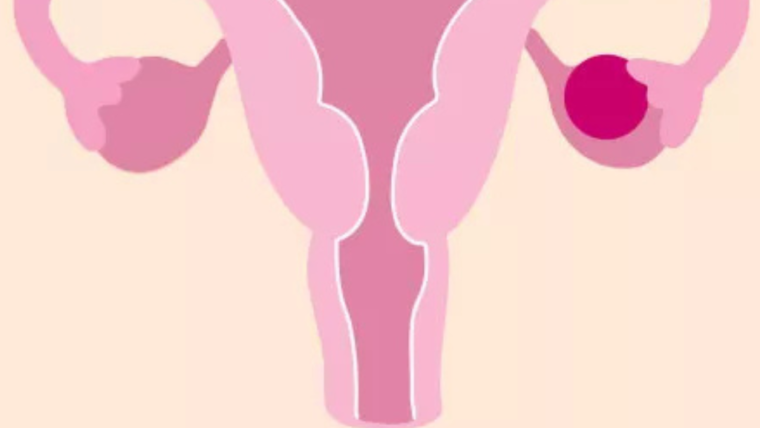
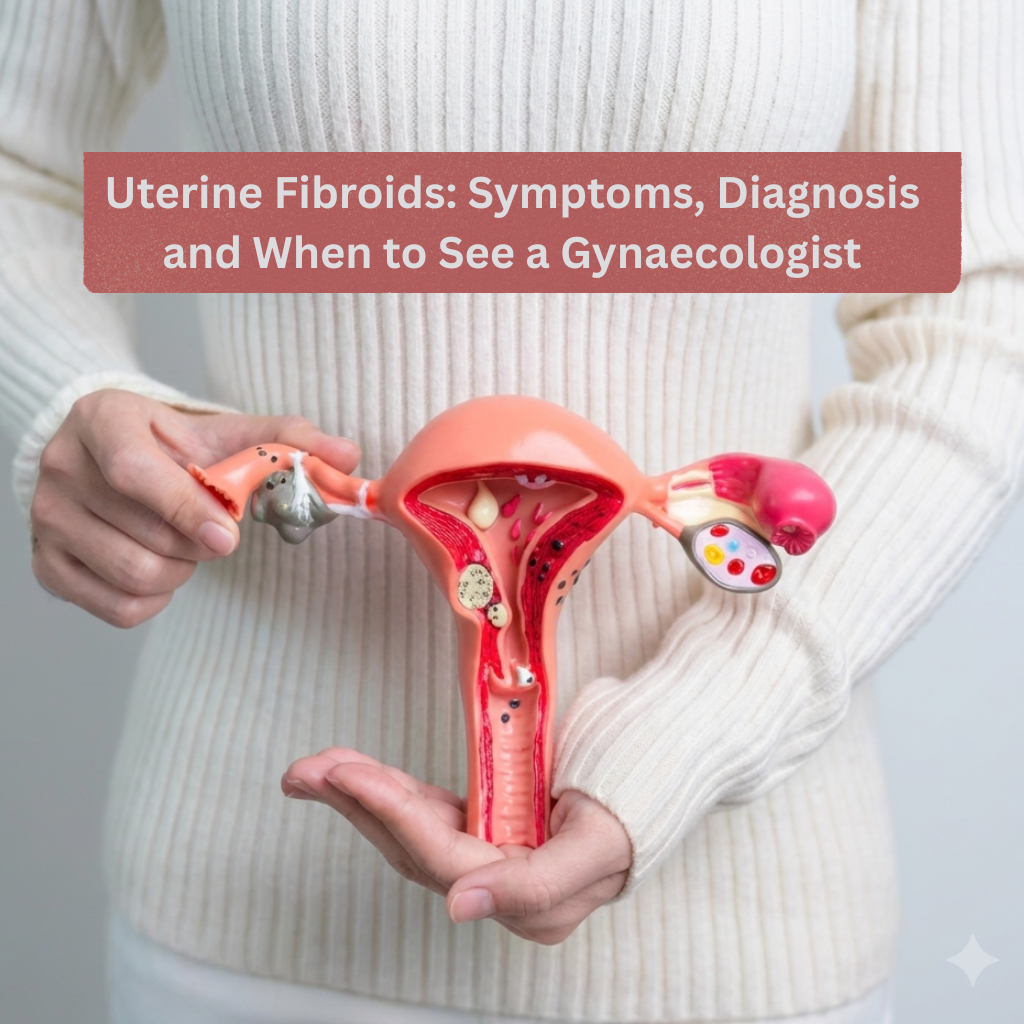
Uterine fibroids are non-cancerous growths that develop in or around the uterus. They can vary in size, ranging from very small growths that cause no symptoms to larger fibroids that may affect daily life.
While the exact cause is not fully understood, fibroids are believed to be influenced by hormones such as estrogen and progesterone. They are most commonly diagnosed during a woman’s reproductive years.
Some factors that may increase the likelihood of developing fibroids include:
- Family history of fibroids
- Hormonal changes
- Obesity or excess weight
- Increasing age during reproductive years
Many women with fibroids never experience symptoms. Others may notice changes in their menstrual cycle or pelvic health that prompt further evaluation.
Common Uterine Fibroid Symptoms Women Should Not Ignore
Not all fibroids cause problems, but when symptoms do occur, they can significantly affect everyday life.
Some common uterine fibroids symptoms include:
1. Heavy Menstrual Bleeding
Periods may become heavier than usual or last longer than expected. Some women also experience clotting or need to change sanitary products more frequently.
2. Pelvic Pressure or Fullness
Larger fibroids can create a feeling of heaviness or pressure in the lower abdomen.
3. Frequent Urination
Fibroids located near the bladder may increase the urge to urinate more often.
4. Pelvic Pain or Discomfort
Some women experience ongoing pelvic discomfort, particularly when fibroids increase in size.
5. Lower Back Pain
Depending on their location, fibroids may contribute to lower back pain or pressure.
6. Difficulty Conceiving
In certain cases, fibroids may affect fertility or interfere with pregnancy.
One thing I often tell patients is that many women normalize symptoms such as heavy periods or pelvic pressure for years. If symptoms are affecting your daily routine, it is worth getting evaluated rather than assuming they are a normal part of aging.
When Should You See a Gynecologist for Fibroid Symptoms?
Not every fibroid requires treatment, but certain symptoms should not be ignored.
You should consider seeing a doctor if:
- Your periods have become unusually heavy
- Menstrual bleeding is causing fatigue or anemia
- You experience ongoing pelvic pain or pressure
- You notice frequent urination without another explanation
- You are planning a pregnancy and have concerns about fibroids
- Symptoms are affecting your quality of life
Many women delay seeking help because symptoms develop gradually. However, early evaluation can help determine whether fibroids are responsible and whether treatment is needed.
Consulting a trusted gynaecologist in Andheri can help provide clarity and peace of mind.
How Are Uterine Fibroids Diagnosed?
A proper fibroid diagnosis usually begins with a detailed discussion about your symptoms, menstrual history, and overall health.
Depending on your situation, your doctor may recommend:
– Pelvic Examination
A physical examination may help identify changes in the size or shape of the uterus.
– Ultrasound Scan
Ultrasound is one of the most common ways to confirm the presence, size, and location of fibroids.
– Additional Imaging
In some cases, further imaging studies may be recommended to better understand the number and position of fibroids.
At Womanhood, the goal is to provide an accurate diagnosis while avoiding unnecessary investigations. Understanding the size and location of fibroids helps guide the most appropriate treatment plan.
Understanding Fibroid Treatment Options: Do All Fibroids Need Treatment?
One of the first questions women ask after diagnosis is whether treatment is necessary.
The answer depends on your symptoms, age, reproductive goals, and the size of the fibroids.
1. Monitoring
If fibroids are small and not causing symptoms, regular monitoring may be all that is required.
2. Medication
Certain medications may help manage symptoms such as heavy bleeding or pelvic discomfort.
3. Hormonal Management
Hormonal treatment may be recommended to help control symptoms and improve quality of life.
4. Minimally Invasive Procedures
Some women may benefit from procedures designed to shrink or remove fibroids while preserving the uterus.
5. Surgical Treatment
In more severe cases, surgery may be recommended depending on the size, number, and location of fibroids.
The right fibroid treatment plan is different for every woman. Treatment decisions should always be based on individual symptoms, future pregnancy plans, and overall health goals.
Consult Dr. Punam Solanki for Fibroid Treatment in Andheri
If heavy periods, pelvic discomfort, or other fibroid symptoms are affecting your daily life, seeking medical advice can help you understand the cause and explore the right treatment options.
At Womanhood, Dr. Punam Solanki provides personalized care for women dealing with fibroids, menstrual health concerns, and reproductive health issues. Every treatment plan is tailored to the patient’s symptoms, lifestyle, and future goals.
If you are looking for an experienced and trusted fibroid specialist, or fibroid treatment in Andheri, professional guidance can help you make informed decisions about your health.
As a trusted gynaecologist in Andheri, Dr. Punam Solanki focuses on helping women understand their diagnosis, manage symptoms effectively, and receive the care they need with confidence.
Whether you have recently been diagnosed or are looking for expert advice regarding fibroid treatment in Andheri, the team at Womanhood is here to support you every step of the way.