One of the most common questions I hear from women in my clinic is:
“Doctor, should I get my fertility checked?”
Many women assume fertility testing is only needed when they have been trying to conceive for years. Others worry that getting tested means something is wrong.
In reality, neither is true.
As a gynecologist, I often tell my patients that fertility testing is simply a way of understanding their reproductive health. Just like we check blood pressure or cholesterol to understand overall health, fertility testing helps us understand how the reproductive system is functioning.
At Womanhood, I meet women at different stages of their journey. Some are actively trying for a baby, some are planning pregnancy in the next few years, and some simply want reassurance that everything is on track. In all these situations, fertility tests and assessments can provide valuable information.
What Is Fertility Testing for Women?
Fertility screening for women is not one particular test. Rather, it involves a series of tests that can give us insight into factors that could affect your chances of conceiving.
Based on your age, symptoms, and medical history, we will examine:
- Ovulation
- Hormone levels
- Egg reserve
- AMH levels
- Health of the uterus and ovaries
- Thyroid function
The purpose of screening is not to categorize you as being either fertile or infertile. Rather, the purpose is to detect possible problems and find out if any kind of treatment is needed.
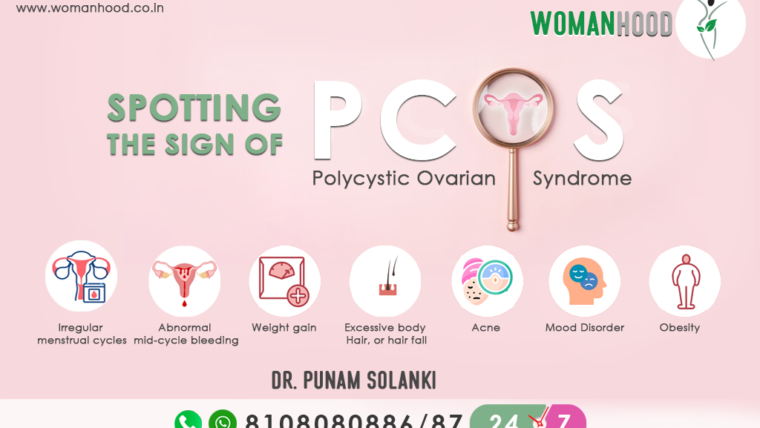
Sometimes, through fertility screening, we are able to understand underlying issues like polycystic ovary syndrome, thyroid problems, or hormonal issues that the woman herself did not know about.
When Should You Consider a Fertility Checkup?
There isn’t one answer that applies to every woman. Age, menstrual history, lifestyle, and medical conditions all play a role.
However, there are certain situations where I usually recommend fertility evaluation.
– You Are Under 35 and Have Been Trying for More Than a Year
For healthy couples, it can take several months to conceive naturally. But if pregnancy hasn’t happened after a year of regular unprotected intercourse, it’s worth investigating further.
This doesn’t necessarily mean there is a fertility problem. Often, testing simply helps us understand whether ovulation is occurring regularly and whether there are any correctable factors affecting conception.
– You Are Over 35 and Have Been Trying for Six Months
Age is one of the most important factors affecting female fertility.
After 35, both egg quantity and egg quality gradually decline. This doesn’t mean pregnancy isn’t possible, it simply means we don’t want to lose valuable time if there is an issue that needs attention.
– Your Periods Are Irregular
Irregular or missed periods often indicate that ovulation may not be happening regularly. Since ovulation determines your fertile window, the days when pregnancy is most likely to occur, irregular cycles can make conception more challenging.
Fertility testing helps evaluate ovulation patterns and identify any underlying hormonal or reproductive health concerns.
– You Have PCOS, Endometriosis, or Thyroid Problems
These conditions don’t automatically mean infertility. However, they can affect reproductive health and sometimes make conception more challenging.
Early evaluation helps us identify PCOS, endometriosis, or thyroid disorders and create the right treatment plan to support your fertility goals.
– You Are Planning Pregnancy in the Future
This is something more women are asking about today.
Many women focus on career goals, personal milestones, or simply aren’t ready for pregnancy yet. In these situations, understanding fertility health early can be extremely helpful.
What Are the Signs of Good Fertility in Women?
Many patients have asked me if there is a sign to know if their fertility is “normal.”
Although there isn’t a specific way to determine that a woman is fertile, certain signs make you feel reassured, which include:
- Regular menstrual periods
- Consistent ovulation
- Balance of hormones
- No significant pelvic pain
- Being in good reproductive health
However, Dr. Punam Solanki has seen women with perfectly regular menstrual cycles who still required fertility treatment, while others with irregular cycles conceived naturally without any medical intervention.
In conclusion, fertility should not be determined based on physical signs only. Proper assessment always provides a clearer picture
Common Signs You May Need Fertility Treatment
Not every fertility concern requires IVF or advanced treatment.
In fact, many women only need lifestyle changes, ovulation support, or treatment for an underlying hormonal condition.
However, I usually recommend further evaluation if patients shows signs that they may need fertility treatment.
- Difficulty conceiving despite trying regularly
- Irregular or absent periods
- Recurrent miscarriages
- PCOS or hormonal imbalance
- Endometriosis
- Previous pelvic infections or reproductive health concerns
The earlier these issues are identified, the easier they often are to manage.
What Tests Are Included in Female Fertility Testing?
Many patients worry that fertility testing is complicated or painful. Fortunately, most initial fertility assessments are straightforward.
Depending on your situation, tests may include:
– Hormone Testing
Simple blood tests help evaluate hormones involved in ovulation and reproductive health.
– Pelvic Ultrasound
This allows us to assess the uterus, ovaries, and follicle development.
– Ovarian Reserve Testing
These tests help estimate egg reserve and are particularly useful for women above 30 who are planning pregnancy.
– Thyroid and Metabolic Evaluation
Because thyroid disorders and metabolic conditions can affect fertility, they are often assessed during fertility investigations.
Sometimes additional infertility testing may be recommended, but not every patient requires extensive investigations.
Visit Womanhood for Expert Fertility Assessment and Pregnancy Planning
This is something I always tell my patients:
Fertility testing is not about identifying issues. It is about learning more about yourself.
Regardless of whether you are trying to conceive, thinking about conceiving in the future, or seeking information regarding your reproductive health, having the right information from a gynaecologist at the earliest could prove helpful.
At Womanhood, our fertility testing and consultation will help understand your reproductive needs and offer you personalized solutions accordingly. As a renowned fertility clinic in Mumbai, we specialize in assisting women with family planning, pregnancy care, fertility treatment, and IVF treatments if required.
If you have questions about your fertility, consult Dr. Punam Solanki, an experienced gynaecologist and fertility specialist in Andheri West. Sometimes, a single consultation is enough to provide the clarity and reassurance you need.