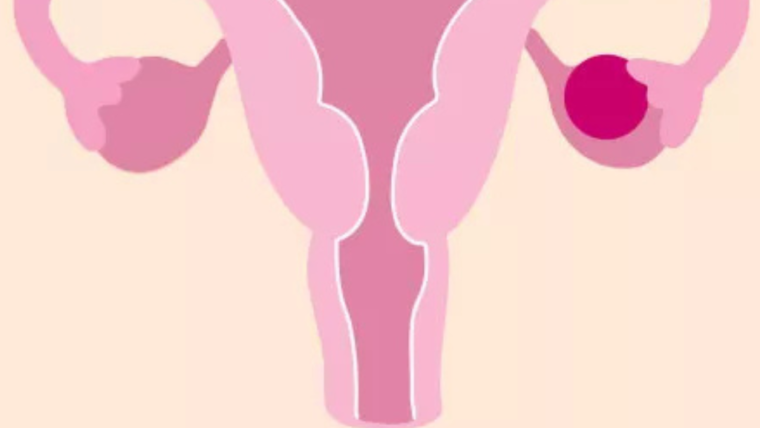
Hormones have a bigger role in women’s health than many of us realise. They influence your menstrual cycle, ovulation, mood, energy levels, metabolism and reproductive health. So when something feels off, irregular periods, unexplained fatigue, changes in weight or difficulty conceiving, it is understandable to wonder whether your diet could be playing a part.
Food cannot magically “balance” hormones, and no single ingredient can fix a hormonal problem. However, a nutritious, balanced eating pattern can support the body systems involved in hormone production, blood sugar regulation and reproductive health.
If you’re planning a pregnancy or simply want to take better care of your health, adding a variety of nutrient-rich foods to your meals is a sensible place to start.
What Are Hormone-Balancing Foods and How Can They Support Women’s Health?
The term hormone balancing foods is commonly used online, but it doesn’t refer to a specific medical diet. Rather, it generally means foods that provide nutrients needed for normal hormonal and metabolic function.
A balanced diet can provide protein, healthy fats, fibre, vitamins, minerals and antioxidants. These nutrients support overall health, which in turn can support menstrual and reproductive health.
For women with conditions such as PCOS, often referred to as PMOS, paying attention to overall diet quality can be particularly useful because blood sugar regulation and metabolic health can be closely linked with hormonal health.
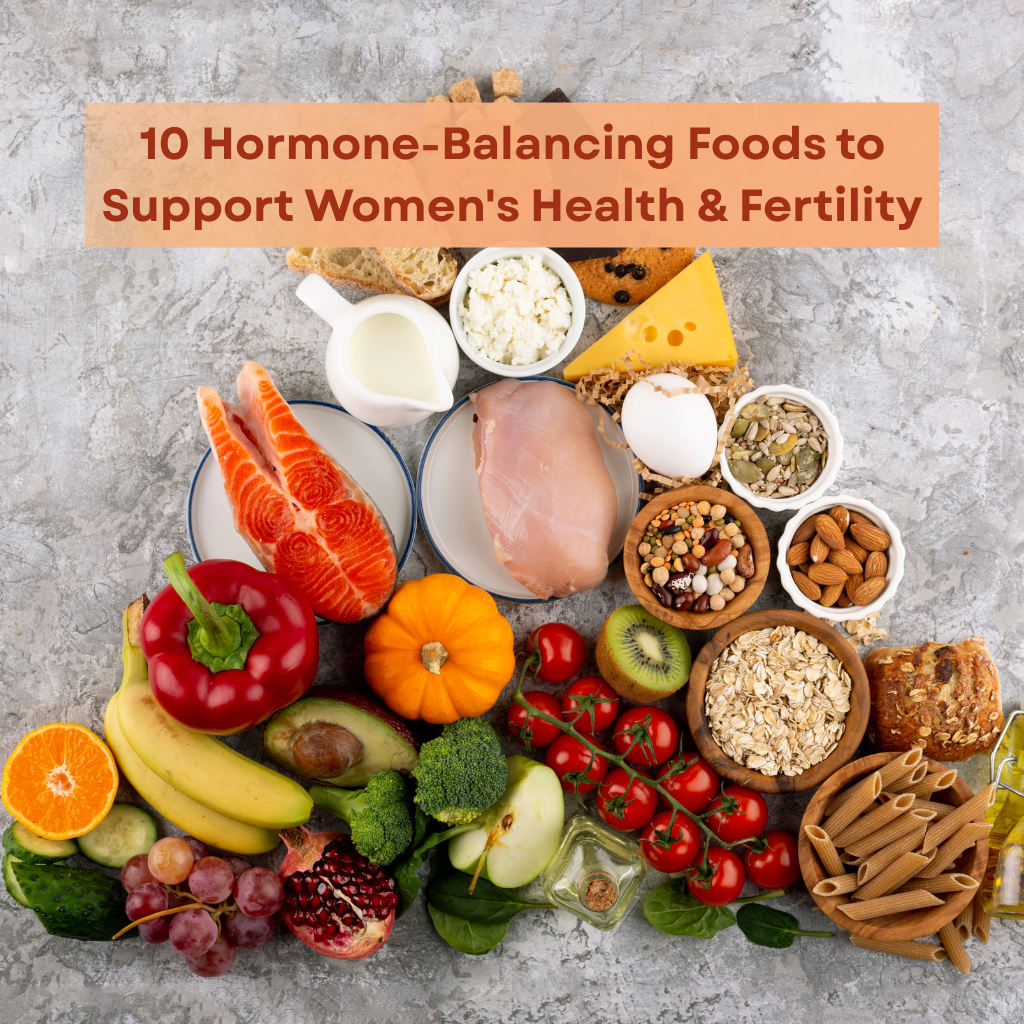
10 Hormone-Balancing Foods to Support Fertility and Reproductive Health
If you’re looking for foods for fertility, think of a nutritious variety of foods rather than a strict list of “fertility superfoods.” Here are ten nutritious options worth including in a well-balanced diet.
1. Leafy Green Vegetables
Spinach, methi, kale and other leafy greens provide folate, iron, magnesium and several other nutrients. Folate is particularly important before and during pregnancy because of its role in early fetal development.
Adding greens to dal, sabzi, soups or salads is an easy way to increase your nutrient intake.
2. Eggs
Eggs are a convenient source of high-quality protein and also provide choline, vitamin B12 and other nutrients. Choline is important for normal cell function and becomes particularly relevant during pregnancy.
For women planning pregnancy, eggs can be a simple addition to a balanced breakfast or meal.
3. Fatty Fish
Fish such as salmon, sardines and mackerel provide omega-3 fatty acids, which are important for overall cardiovascular and metabolic health.
If you’re trying to conceive or are already pregnant, however, choosing fish with lower mercury levels and following pregnancy-specific dietary guidance is important.
4. Nuts and Seeds
Almonds, walnuts, pumpkin seeds, sunflower seeds and flaxseeds provide healthy fats, protein, fibre and minerals.
A small handful of nuts can make a useful snack, while seeds can be added to yoghurt, oats or salads. They are a practical part of nutrition for fertility rather than a quick fix for hormonal problems.
5. Berries and Other Colourful Fruits
Strawberries, blueberries, oranges, guava and other colourful fruits provide fibre and antioxidants.
You don’t need expensive imported berries to get these benefits. Local seasonal fruits can also be an excellent part of a balanced diet.
6. Avocado
Avocado contains monounsaturated fats, fibre and several vitamins and minerals. Healthy fats are an important part of overall nutrition and can help make meals more satisfying.
You can add avocado to a salad, sandwich or simply enjoy it alongside other foods.
7. Whole Grains
Brown rice, oats, whole-wheat roti, quinoa and millets provide fibre and complex carbohydrates.
For women concerned about hormonal health, particularly those with PCOS or PMOS, choosing higher-fibre carbohydrate sources and pairing them with protein can support healthier overall eating patterns.
8. Lentils and Beans
Dal, chickpeas, rajma and other legumes are affordable sources of plant protein, fibre, iron and other nutrients.
They are also a familiar part of Indian meals, making them easy to include regularly without making your diet complicated.
9. Curd and Other Protein-Rich Dairy Foods
Plain curd and other nutritious dairy options can provide protein, calcium and other essential nutrients.
If dairy doesn’t suit you, there are other sources of calcium and protein that can be included in your diet based on your individual needs.
10. Cruciferous Vegetables
Broccoli, cauliflower, cabbage and similar vegetables provide fibre, vitamins and plant compounds that contribute to overall nutritional health.
Rather than focusing on one “hormone detox” food, it is more useful to include different vegetables across the week.
Can a Healthy Diet Support Hormonal Balance and Fertility?
Yes, but it is important to keep expectations realistic.
A healthy diet for fertility can support general health, healthy body weight, blood sugar regulation and adequate nutrient intake. All of these can matter when you’re planning a pregnancy.
However, diet alone cannot treat every hormonal or fertility condition.
For example, women with PCOS may benefit from improving overall diet and lifestyle, but some may still have irregular ovulation and require medical support. Similarly, problems involving the thyroid, ovarian reserve, endometriosis or other reproductive conditions may need specific treatment.
This is why food should be considered one part of fertility care rather than a replacement for medical advice.
What Foods Are Helpful for Women with PMOS?
For women with PMOS/PCOS, there is no single food list that works for everyone.
Instead, meals that combine protein, fibre, healthy fats and minimally processed carbohydrates can be a practical approach. Vegetables, whole grains, legumes, nuts, seeds, eggs and other protein sources can form the foundation of everyday meals.
It is also worth limiting excessive intake of sugary drinks, highly processed snacks and foods high in added sugars. You don’t have to eliminate every favourite food, consistency and overall dietary pattern matter more than perfection.
If symptoms such as irregular periods, acne, excess facial hair or difficulty conceiving continue despite lifestyle changes, don’t rely on diet alone. Appropriate PMOS treatment may be needed.
When Should You Consult a Gynaecologist for Hormonal or Fertility Concerns?
Eating better is a positive step, but persistent symptoms deserve proper evaluation.
Consider a regular gynec consultation if your periods are consistently irregular, you have unexplained changes in your menstrual cycle, or you’re experiencing symptoms that may suggest a hormonal imbalance.
A consultation is especially important if you are planning pregnancy and have been trying to conceive without success.
A gynecologist in Andheri can assess your menstrual and reproductive health and recommend appropriate investigations when necessary. Depending on your concerns, this may include hormone testing, ultrasound or fertility assessment.
Women who are actively planning pregnancy can also benefit from a family planning consultation, particularly if they have PCOS/PMOS, irregular cycles or previous reproductive health concerns.
Consult Womanhood for Personalised Women’s Health and Fertility Care
Good nutrition is a valuable part of looking after your health, but your fertility journey is about much more than what you eat.
At Womanhood, Dr. Punam Solanki takes a personalised approach to women’s reproductive and hormonal health. Whether you need guidance for PCOS/PMOS, are preparing for pregnancy or simply want to understand changes in your menstrual health, the right evaluation can help you make informed decisions.
If you’re looking for a fertility specialist in Andheri or a trusted gynecology clinic, professional guidance can help you understand whether lifestyle changes are enough or whether further treatment is appropriate.
Food can support your body, but you don’t have to figure out your fertility or hormonal health on your own. If you have ongoing concerns, schedule a consultation with Dr. Punam Solanki at Womanhood and take the next step with a plan that’s right for you.